

U.S. Senator Flags Alarm Over Pakistans Discriminatory Treatment of Religious Minorities
Written byTimes India
Share
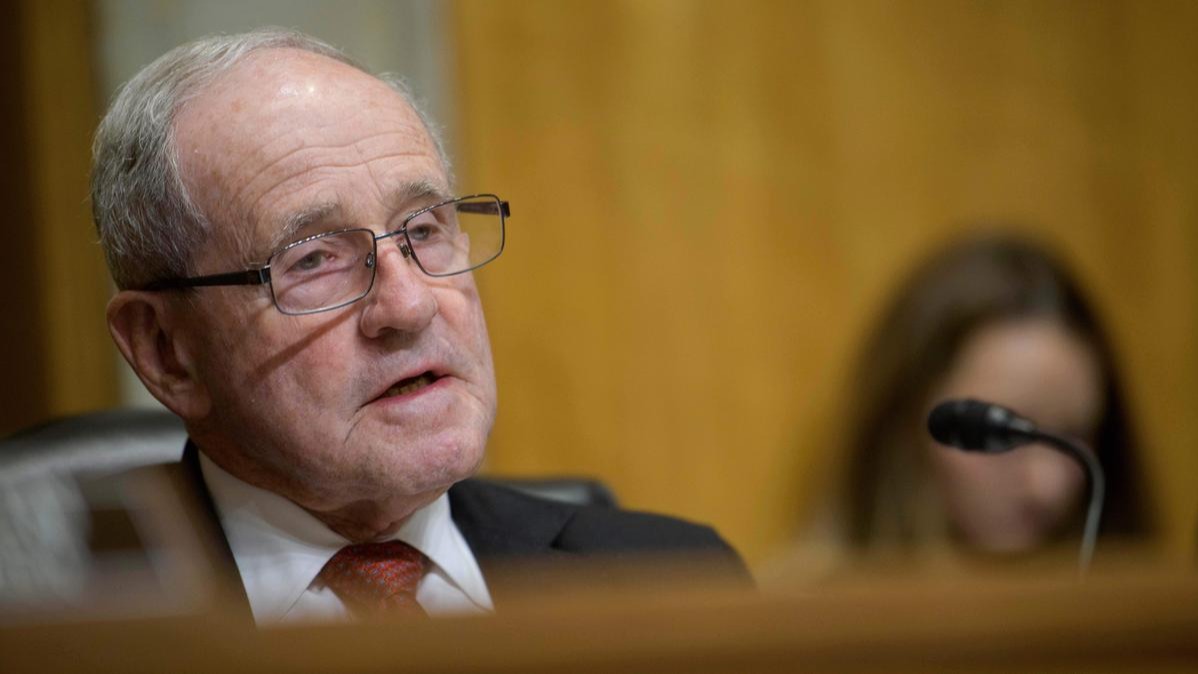
A U.S. Senator has raised sharp concerns over what he described as Pakistan’s “deeply discriminatory and systemic” policies targeting religious minorities, urging Washington to reassess its ties with Islamabad unless meaningful reforms are undertaken. The remarks reflect growing bipartisan frustration in the U.S. political establishment over Pakistan’s human rights record, particularly in relation to its Christian, Hindu, Sikh, Ahmadiyya, and Shia communities.
Speaking at a congressional briefing, the Senator highlighted several incidents illustrating the deteriorating conditions for minorities, including mob violence, forced conversions, misuse of blasphemy laws, and continued social and economic marginalisation. He noted that Pakistan’s legal framework, especially its stringent blasphemy provisions, creates an environment in which minorities are vulnerable to intimidation and false accusations often with devastating consequences.
The Senator pointed out that despite Pakistan’s assurances to the international community and commitments under various human rights treaties, the ground reality for minorities has worsened. The Ahmadiyya community remains barred from identifying as Muslim, Hindu girls continue to face forced marriage and conversions, and Christian settlements have periodically come under attack. He argued that such conditions contradict Pakistan’s own constitution, which promises equal rights to all citizens regardless of religion.
In addition to domestic policies, the Senator expressed alarm over the lack of accountability for perpetrators of sectarian violence. He cited cases where mobs attacked minority neighbourhoods with little intervention from law enforcement and where courts failed to prosecute attackers. “Impunity is not an accident it is a pattern,” he said, calling for a stronger U.S. response.
The Senator urged the U.S. State Department to consider reinstating Pakistan on the Countries of Particular Concern (CPC) list, a designation reserved for nations that commit severe violations of religious freedom. Pakistan was removed from the list in earlier years, but many human rights groups argue that the situation has not improved enough to justify its exclusion.
He also called for greater scrutiny of U.S. aid to Pakistan, suggesting that future financial and security cooperation should be tied to measurable improvements in human rights. “American taxpayers should not support a system that persecutes its own people,” he said, adding that Washington must not overlook religious freedom violations for strategic convenience.
Human rights organisations welcomed the Senator’s remarks, noting that international pressure has historically been one of the few factors capable of prompting policy shifts in Islamabad. Advocacy groups also urged the U.S. to work with multilateral bodies such as the United Nations to demand accountability and protection for vulnerable communities.
Pakistan’s government, for its part, has consistently denied allegations of systemic discrimination and argues that incidents involving minorities are “isolated acts of extremism.” Officials claim they are working to strengthen security for all citizens and that religious harmony remains a national priority. However, critics argue that such statements are not backed by meaningful legislative or administrative action.
As debate intensifies in Washington, the issue is expected to feature prominently in upcoming foreign policy discussions. Whether the U.S. will take concrete steps or continue to rely on diplomatic engagement remains to be seen. For Pakistan’s minorities, however, the Senator’s remarks offer a renewed spotlight on their ongoing struggle for equality, security, and dignity.