

TMCs Suspension of Humayun Kabir: Damage Control Move Amid Babri Masjid Controversy
Written byTimes India
Share
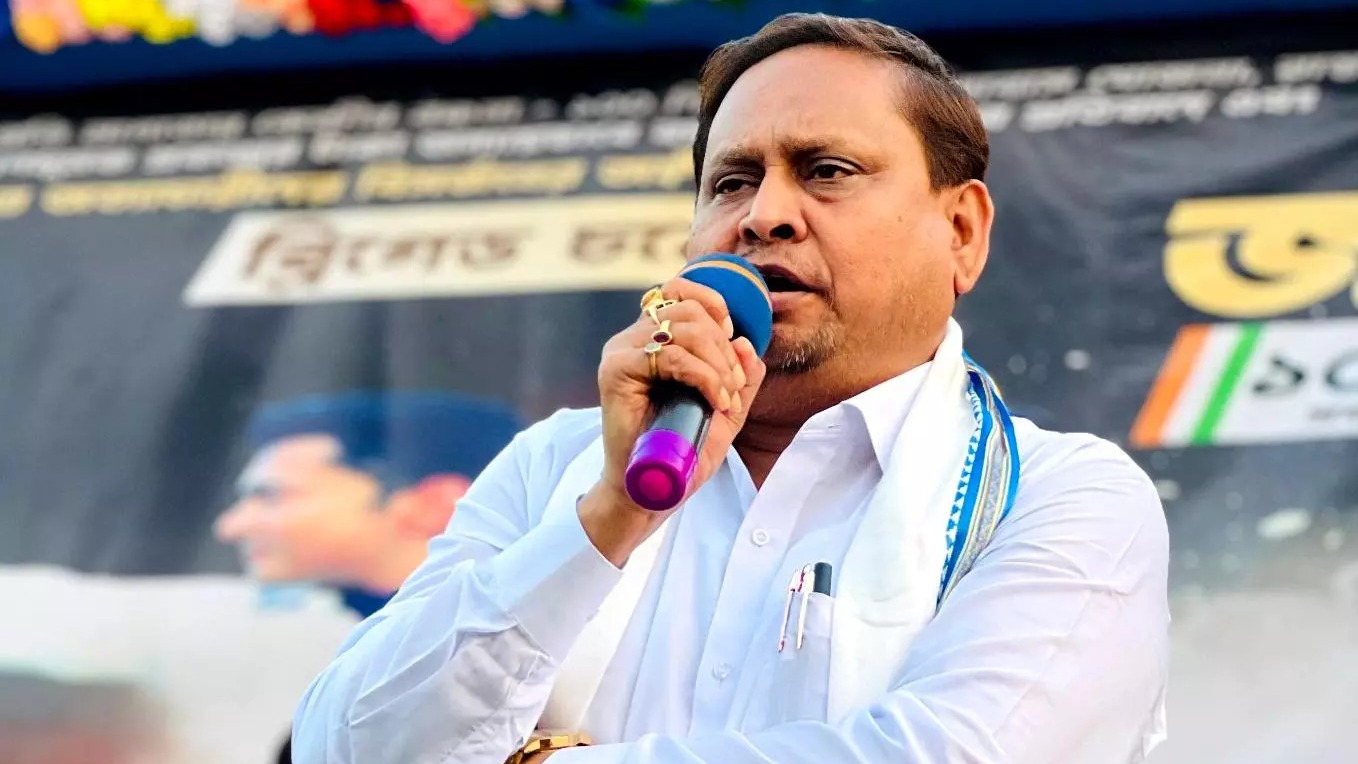
The Trinamool Congress (TMC) on Monday suspended senior leader and former Baharampur MP Humayun Kabir, triggering a political storm in West Bengal. The action comes in the backdrop of Kabir’s controversial remarks referencing the Babri Masjid demolition, a statement that quickly escalated into a sensitive political issue. The party’s swift response has been widely interpreted as an attempt at self-preservation as it seeks to protect its image and preserve minority support amid heightened communal tensions.
What Triggered the Suspension?
Kabir reportedly made comments that were interpreted as provocative and politically damaging, referencing the Babri Masjid dispute in a manner that the TMC leadership believed could alienate core voter groups. With the political environment already charged due to national debates around Ayodhya and rising polarisation, the party viewed his remarks as a potential liability.
TMC sources said the decision was taken to send a “clear message” that the party would not tolerate statements that could undermine social harmony or be used by the opposition to target its minority outreach efforts. The suspension letter stated that Kabir had violated organisational discipline and made remarks that were not aligned with the party’s values.
A Strategic Move for Damage Control
Political observers say the suspension is less about the content of Kabir’s comments and more about the timing. The TMC is gearing up for crucial electoral battles, including upcoming Lok Sabha and panchayat polls. Maintaining its dominance among Muslim voters who constitute around 27% of West Bengal’s population is central to the party’s strategy.
Any statement that could be interpreted as insensitive to communal issues, or seen as aligning with the BJP’s larger Hindutva narrative, poses a direct threat to TMC’s voter base. Suspending Kabir allows the party to quickly distance itself from the controversy and reinforce a stance of zero tolerance for divisive rhetoric.
Opposition’s Reaction
The opposition BJP jumped on the controversy, accusing the TMC of hypocrisy. BJP leaders argued that the party often selectively reacts to sensitive issues and only takes action when its political calculus demands it. They called the suspension a “token gesture” aimed at appeasing voters rather than a genuine commitment to discipline.
The Congress and CPI(M) also criticised the TMC, saying that internal dissent and controversial comments stem from deeper organisational issues. They alleged that the party was trying to use the suspension as a distraction from governance lapses in the state.
Kabir’s Response
Humayun Kabir maintained that his remarks were taken out of context and “misinterpreted for political gain.” He stated that he had no intention of hurting sentiments and that he respected all communities. Though he accepted the party’s decision, his supporters called the move “politically motivated” and claimed Kabir was made a scapegoat to shield the party from backlash.
Larger Political Implications
This episode highlights the delicate balancing act regional parties like the TMC must perform in an era of intensifying identity politics. With communal issues dominating national discourse, even a single controversial remark can snowball into a larger political weapon.
By suspending Kabir, the TMC aims to send a strong message both internally and externally: discipline is non-negotiable, and protecting the party’s secular image especially among minorities is paramount.
Whether this strategy pays off electorally remains to be seen, but the move underscores one thing: in today’s political landscape, self-preservation often drives instantaneous, high-impact decisions.