

Taj Mahal Has Stalled Agras Growth, Claims BJP MP in Lok Sabha Debate
Written byTimes India
Share
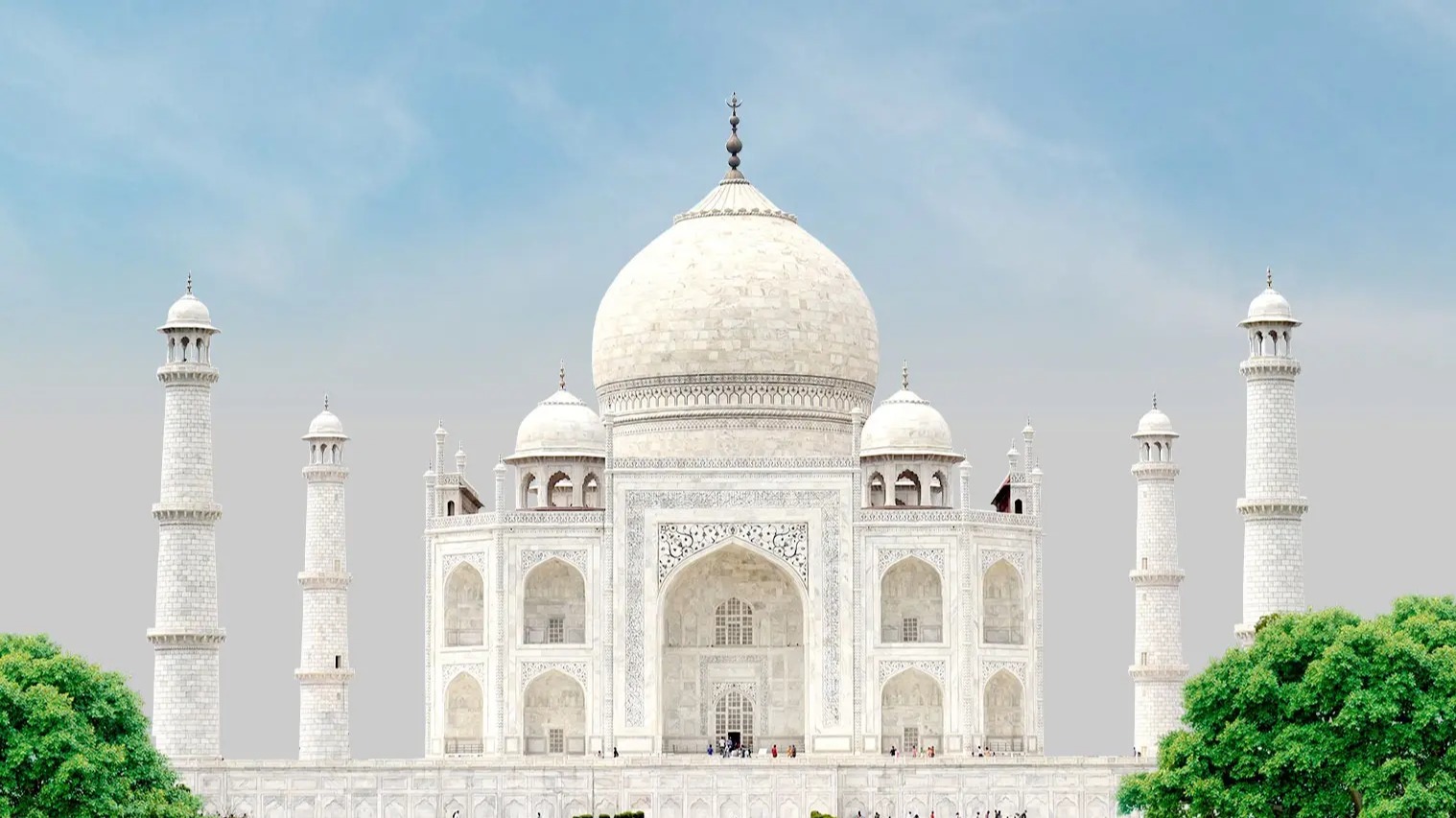
A remark in the Lok Sabha sparked intense political and public debate after a BJP MP stated that the Taj Mahal India’s iconic Mughal-era monument is a “curse” for Agra’s development. The comment, made during a discussion on regional infrastructure and urban growth, questioned whether the overwhelming global spotlight on the Taj Mahal has overshadowed the broader developmental needs of the city and surrounding districts.
The MP argued that Agra, despite being one of the most visited tourist destinations in the world, remains plagued by infrastructural issues such as poor roads, inadequate sanitation, limited industrial growth, and persistent unemployment. According to him, the city’s economy has become overly dependent on tourism, and policymakers have historically focused on preserving the Taj Mahal instead of diversifying opportunities in manufacturing, services, and urban modernisation.
Tourism Overshadowing Development?
The MP contended that while the Taj Mahal attracts millions of visitors annually, the benefits have not trickled down to the wider population. Local artisans, small businesses, and workers, he said, continue to struggle with inconsistent earnings, especially during off-peak travel seasons. The COVID-19 pandemic further exposed the city’s economic vulnerability when tourism came to a standstill and thousands dependent on Taj-related tourism lost their livelihoods.
He argued that the “heritage-centric” narrative has discouraged heavy industry from entering the region due to strict environmental regulations near the monument. Restrictions on emissions, factory construction, and large-scale industrial setups in the Taj Trapezium Zone (TTZ) have limited the scope of industrial development. While the measures were designed to protect the marble monument from pollution, the MP claimed they have unintentionally restricted job creation and economic diversification.
Opposition Pushback in Parliament
Opposition MPs sharply criticised the remark, calling it a distortion of history and an insult to India’s cultural heritage. Several leaders argued that the Taj Mahal is not a curse but a global asset that strengthens tourism, diplomacy, and India’s soft power. They pointed out that the monument contributes significantly to Uttar Pradesh’s economy and generates substantial revenue through tourism, hospitality, and handicraft industries.
Some MPs added that the lack of development in Agra is the result of administrative inefficiencies and outdated urban planning not the presence of the Taj Mahal. They highlighted that cities such as Jaipur and Udaipur successfully balance heritage tourism with modern development, and Agra could do the same with proper investment and long-term planning.
A Broader Development Debate
Urban planners and experts echo the need for balanced growth but disagree with labeling the Taj Mahal a hindrance. Many argue that Agra suffers from antiquated infrastructure, inconsistent funding, and lack of integrated development plans. They emphasise that upgrading roads, public transport, sewage systems, and digital infrastructure could boost the city’s economy without compromising heritage protection.
Additionally, recent projects such as the Agra Metro, expressway connectivity, and Smart City initiatives point toward a more holistic approach to development that accommodates both heritage conservation and urban growth.
Conclusion
The MP’s “curse” remark has undeniably brought the spotlight back on Agra’s long-standing development challenges. While criticism continues to mount over his choice of words, the discussion has opened up an important national conversation: can India’s heritage cities evolve without compromising their cultural identity, and how can iconic landmarks coexist with modern aspirations?