

Strong 6.6-Magnitude Earthquake Shakes Indonesia Residents Flee Homes in Panic
Written byTimes India
Share
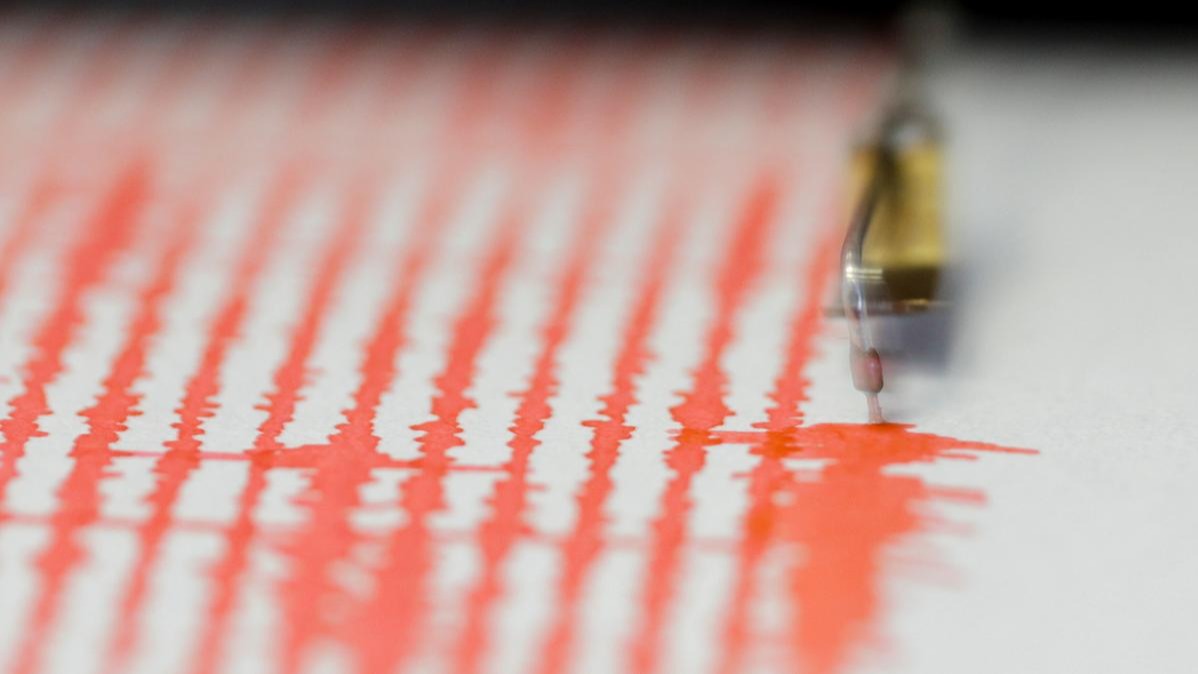
A powerful 6.6 magnitude earthquake struck parts of Indonesia on Monday, sending residents rushing out of their homes and workplaces as buildings swayed and aftershocks rippled across multiple provinces. The quake, which was felt strongly in the densely populated regions of Java and Sumatra, caused brief panic but early reports suggest limited structural damage and no immediate casualties.
According to Indonesia’s Meteorology, Climatology and Geophysics Agency (BMKG), the earthquake originated offshore at a moderate depth, reducing the likelihood of catastrophic destruction. The agency quickly confirmed that no tsunami warning had been issued, providing some relief to residents in coastal areas who remain sensitive to seismic alerts after past disasters.
Witnesses described sudden, forceful tremors that lasted several seconds. Many people evacuated buildings instinctively, recalling national drills that emphasize the importance of moving to open spaces during strong quakes. “Everything started shaking the lights, the walls. We ran outside immediately,” said a resident of Bandung. Similar scenes played out in Jakarta, where high-rise buildings visibly swayed, prompting office workers to gather in parking lots.
Local authorities reported minor damage in a few towns, including cracked walls, fallen ceiling tiles, and toppled merchandise in shops. Emergency response teams were deployed to assess buildings, inspect infrastructure, and ensure that hospitals, schools, and public utilities remained functional. As a precaution, several schools suspended classes for the remainder of the day.
Indonesia sits atop the Pacific “Ring of Fire,” one of the world’s most seismically active regions. The archipelago experiences thousands of quakes each year most minor, but occasionally catastrophic. The memory of the 2004 Aceh earthquake and tsunami, which killed more than 230,000 people across multiple countries, continues to sharpen public awareness and fear whenever a strong tremor hits.
BMKG officials emphasized the importance of accurate information in crisis situations, urging the public not to rely on unverified social media reports. They also reminded residents to familiarise themselves with safety measures, including identifying evacuation routes, securing heavy furniture, and preparing emergency kits.
Seismologists noted that while the quake was significant, its offshore location and depth helped dissipate its destructive potential. They warned, however, that aftershocks could continue for several days, advising residents to remain cautious. By late afternoon, BMKG had recorded a series of smaller aftershocks, none strong enough to cause additional damage.
Government disaster response units are currently gathering data from regional administrators to evaluate the quake’s full impact. Early indications suggest the disruption was brief and largely limited to temporary evacuations, traffic congestion, and short-term power interruptions in scattered localities.
Indonesia’s National Disaster Mitigation Agency (BNPB) said it is prepared to mobilize further resources if needed. “Our teams are standing by. Fortunately, the situation appears stable, but we remain vigilant,” a spokesperson noted.
For many Indonesians, the quake was another reminder of the country’s vulnerability to natural hazards and the need for continuous investment in safe infrastructure, early-warning technologies, and community preparedness. With seismic events expected to remain a frequent reality, authorities stress that preparedness remains the nation’s strongest line of defense.