

Shashi Tharoor Sounds Alarm on Declining Parliamentary Debate, Warns of Democratic Backslide
Written byTimes India
Share
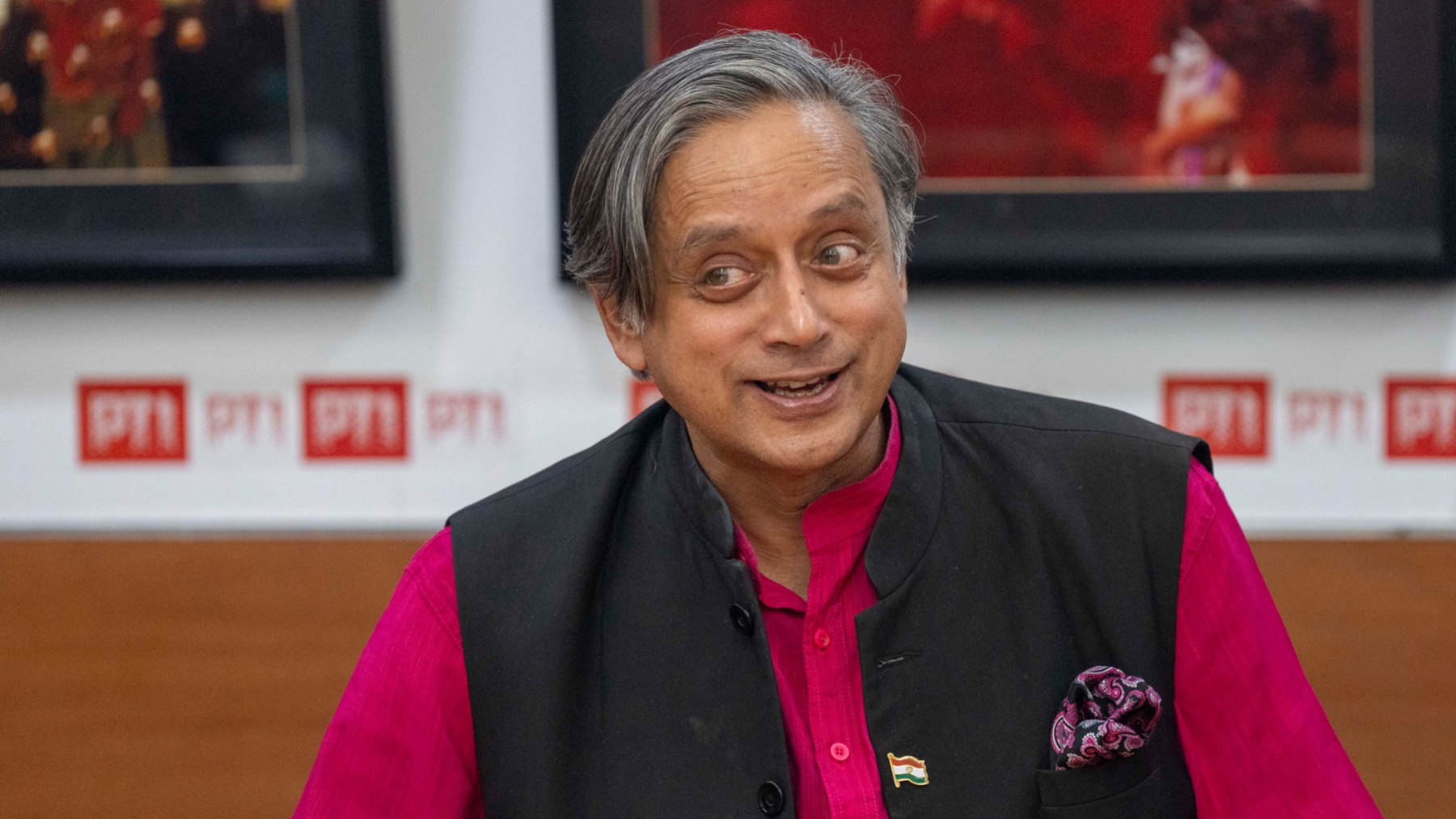
Congress MP Shashi Tharoor has once again raised concerns about the declining quality of parliamentary functioning in India, stating that the nation needs a Parliament that “debates, not disrupts.” Speaking at a public event, Tharoor warned that frequent disruptions, rushed legislation, and limited participation of opposition voices were leading to an erosion of democratic norms, weakening the very spirit on which the Indian Republic was built.
A Parliament Losing Its Voice
Tharoor highlighted that Parliament, once celebrated for substantive debates, cross-party cooperation, and robust committee work, has increasingly become a space of confrontation. “The essence of Parliament lies in discussion, dissent, deliberation, and decision-making,” he said. “But what we see now is the exact opposite disruptions, suspensions, walkouts, and bills passed without scrutiny.”
He pointed to recent sessions where a significant number of Bills were passed without adequate debate or referral to parliamentary committees, calling it a “dangerous deviation” from democratic procedure. Such practices, he warned, undermine the constitutional role of Parliament as a check on the executive.
Disruptions: A Symptom of a Deeper Malaise
While disruptions in Parliament are not new, Tharoor argued that their nature has changed. Earlier, disruptions were tools of protest; now, he claimed, they are used to silence uncomfortable questions. He criticised the government for “weaponising disruptions” by blaming the opposition for a dysfunctional House while avoiding accountability on pressing issues like unemployment, inflation, data privacy, and federal tensions.
“The government cannot demand cooperation while ignoring legitimate concerns,” Tharoor said. “Democracy thrives on accountability, not unquestioned authority.”
Shrinking Space for the Opposition
Tharoor expressed serious concern over what he described as a systematic shrinking of space for opposition voices. Mass suspensions of MPs, curtailed debate time, and an increasing reliance on ordinances were, he said, examples of how democratic engagement was being weakened.
He stressed that a healthy democracy requires constructive criticism, vibrant debate, and mutual respect qualities that are becoming rare in today’s political environment. “The opposition is not the enemy,” he said. “It is an essential pillar of democracy.”
Impact on Public Trust
A Parliament that fails to debate meaningfully erodes citizens’ trust, Tharoor warned. When laws are passed in haste or without consensus-building, the public is left feeling sidelined. This disconnect between the political class and the people fuels cynicism, misinformation, and polarisation.
He cited declining attendance, shorter sessions, and reduced committee deliberations as worrying indicators. “Democracies die not only through coups or autocrats but through slow, systematic erosion,” he added, invoking a global trend of democratic backsliding.
A Call for Democratic Renewal
Despite his criticism, Tharoor emphasised that the decline is reversible if political leaders across parties commit to restoring Parliament’s role as a forum for reasoned debate. He urged reforms such as mandatory scrutiny of Bills, fixed parliamentary calendars, and stronger committee systems.
“Our democracy is resilient,” Tharoor concluded. “But resilience must not be confused with invincibility. We must protect the institutions that protect us.”
The Road Ahead
Tharoor’s remarks resonate at a time when political tensions run high and public faith in institutions is being tested. His warning serves as a reminder that democracy cannot function without conversation, criticism, and cooperation. As India approaches key electoral cycles, the call for a Parliament that debates instead of disrupts is more relevant than ever.