

Sensex Nifty Rise in Early Trade as U.S. Iran Truce Hopes Lift Sentiment
Written byTimes India
Share
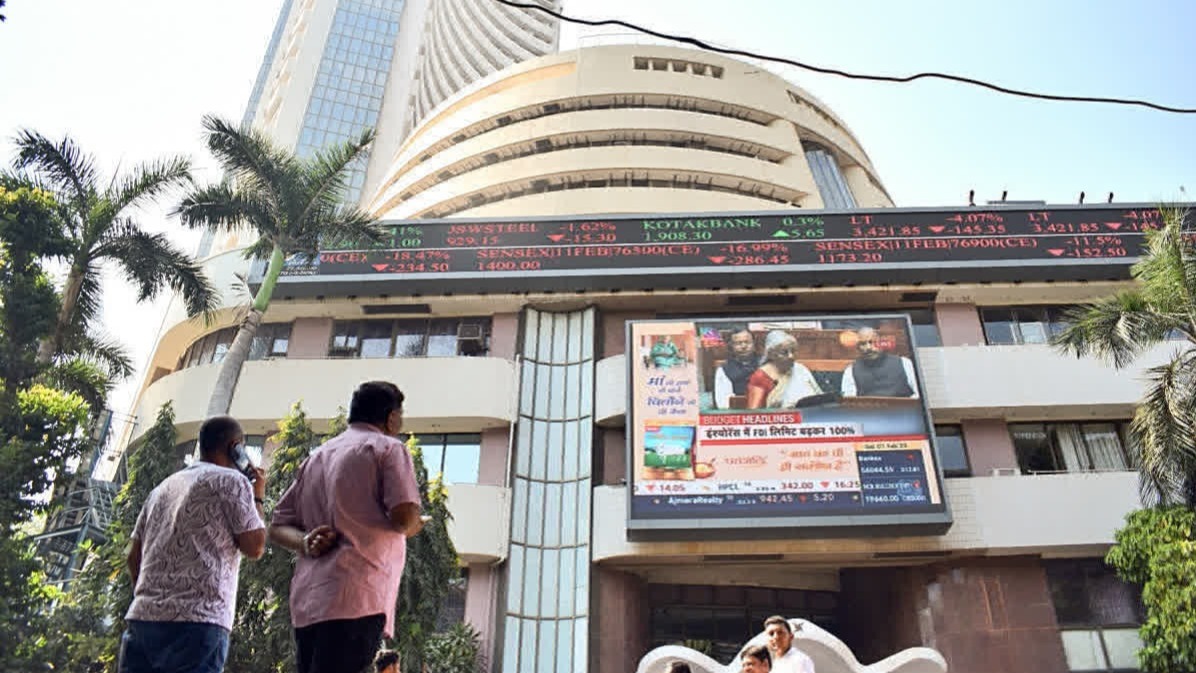
Stock Markets Climb in Early Trade Amid Hopes of U.S. Iran Truce
Indian stock markets opened on a strong note on Thursday, with benchmark indices rising in early trade as optimism over a potential U.S. Iran truce boosted investor confidence. Easing geopolitical tensions, along with positive global cues and renewed foreign investment, helped drive gains across sectors.
The BSE Sensex jumped over 600 points in early trading to reach around 78,730, while the NSE Nifty climbed close to 24,400, reflecting a broad-based rally in equities.
What’s Driving the Market Rally?
The primary trigger for the upward movement in markets is growing hope that diplomatic efforts between the United States and Iran could lead to a truce or renewed negotiations. This optimism has helped ease concerns over a prolonged geopolitical conflict, which had earlier unsettled global markets.
When geopolitical risks decline, investors typically feel more confident about putting money into equities. In this case, the possibility of reduced tensions in the Middle East has improved overall market sentiment, encouraging buying activity.
Another key factor is the softening of crude oil prices, which is especially important for India, a major oil-importing country. Lower oil prices reduce inflationary pressures and improve corporate profitability, making equities more attractive.
Global Markets Provide Support
The positive mood was not limited to India. Markets across Asia also traded higher, including indices like Japan’s Nikkei and South Korea’s Kospi. Meanwhile, U.S. markets had ended the previous session on a positive note, further supporting investor sentiment globally.
Recent global trends show that equity markets often react quickly to geopolitical developments. In fact, U.S. markets have recently touched record highs amid hopes that tensions in the Middle East may ease, indicating strong global risk appetite.
This global optimism has spilled over into Indian markets, reinforcing the upward momentum seen in early trade.
Role of Foreign Investors
Another important factor behind the rally is the return of Foreign Institutional Investors (FIIs) as net buyers. After a period of outflows due to uncertainty and rising oil prices, foreign investors are now showing renewed interest in Indian equities.
According to market data, FIIs bought equities worth around ₹666 crore in the previous session, signalling improved confidence in India’s economic outlook.
FII inflows are crucial because they bring large volumes of capital into the market, often influencing broader trends and boosting liquidity.
Sector-Wise Performance
The gains in early trade were broad-based, with several major stocks contributing to the rally. Companies like Infosys, Tech Mahindra, Bajaj Finance, Tata Steel, and InterGlobe Aviation were among the top performers on the Sensex.
These gains indicate that both technology and industrial sectors are benefiting from improved sentiment. Meanwhile, a few stocks such as Sun Pharma and Titan lagged behind, reflecting selective selling in defensive sectors.
Oil Prices and Their Impact
Crude oil prices remain a critical factor influencing market direction. Brent crude was trading around $94 95 per barrel, slightly stable but lower than recent highs.
The moderation in oil prices is seen as a positive development for India. High oil prices typically lead to higher inflation, increased import bills, and pressure on the rupee. A stable or declining oil price environment helps ease these concerns, supporting economic growth and corporate earnings.
Cautious Optimism Still Prevails
While markets are currently upbeat, analysts warn that the situation remains fluid. The optimism is largely based on expectations of a truce, not a confirmed long term resolution.
Global reports suggest that although there has been progress toward a ceasefire, uncertainties still remain regarding the final outcome of negotiations.
This means that markets could remain volatile in the coming days, reacting quickly to any new developments in the geopolitical landscape.
What Should Investors Watch?
Going forward, investors will closely monitor:
- Updates on U.S.Iran negotiations
- Movement in global crude oil prices
- Trends in foreign institutional investment
- Corporate earnings announcements
These factors will play a key role in determining whether the current rally can sustain or faces resistance.
The early surge in Indian stock markets reflects a combination of global optimism, easing geopolitical concerns, stable oil prices, and renewed foreign inflows. The possibility of a U.S. Iran truce has acted as a major sentiment booster, lifting equities across the board.
However, the situation remains delicate. While markets are celebrating the prospect of peace, the actual outcome of diplomatic efforts will ultimately determine the long-term direction. For now, investors are choosing optimism but with a watchful eye on global developments.