

Rupee Strengthens: Gains 12 Paise to 89.51 Against U.S. Dollar in Early Trade
Written byTimes India
Share
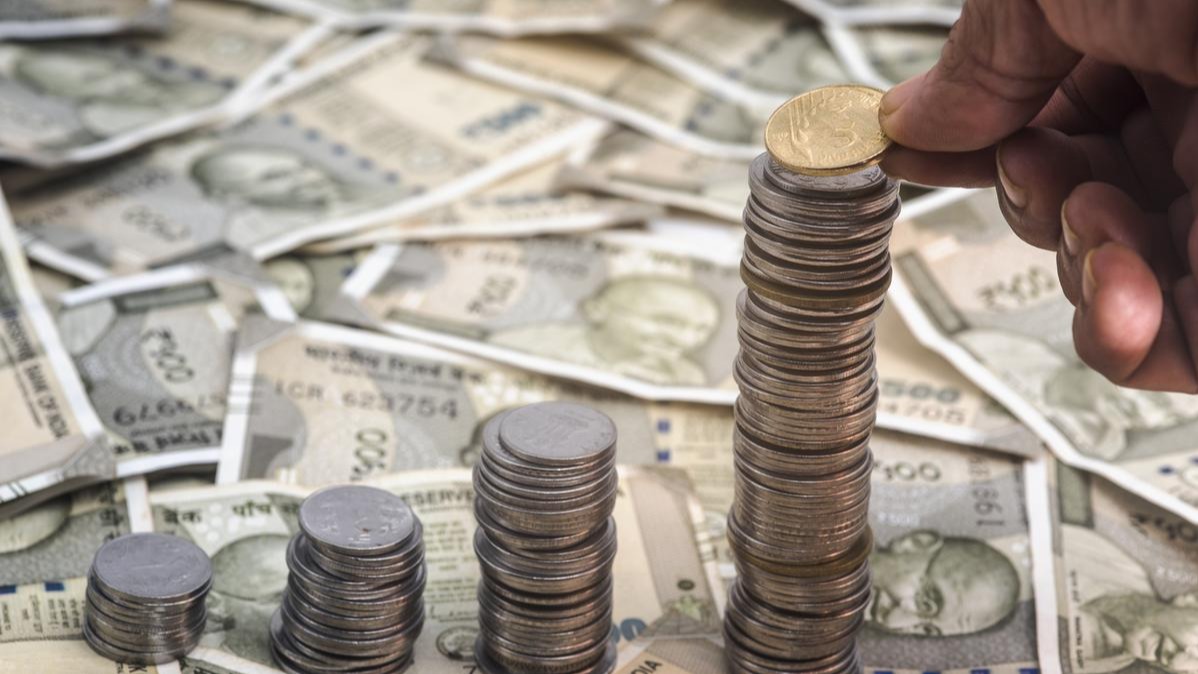
The Indian rupee strengthened in early trade on Monday, rising by 12 paise to 89.51 against the U.S. dollar. The modest gain comes amid positive global cues and domestic market optimism, providing temporary relief for importers, exporters, and investors keeping a close watch on currency fluctuations.
Factors Behind the Rise
Analysts attribute the early appreciation of the rupee to a combination of global and domestic factors:
1. Global Market Sentiment: Equity markets in the U.S. and Europe showed strength overnight, reflecting positive investor sentiment. Risk-on mood in international markets often boosts emerging market currencies like the rupee.
2. Crude Oil Prices: Stable crude oil prices have helped ease pressure on India’s import bill, supporting currency stability. Lower oil prices generally reduce demand for dollars, enabling the rupee to gain.
3. Foreign Fund Flows: Increased foreign portfolio inflows into Indian equities and bonds have added demand for the rupee, contributing to its appreciation.
4. Domestic Economic Indicators: Recent macro-economic data, such as controlled inflation and industrial growth trends, have boosted confidence in the Indian economy, indirectly supporting the currency.
2. Crude Oil Prices: Stable crude oil prices have helped ease pressure on India’s import bill, supporting currency stability. Lower oil prices generally reduce demand for dollars, enabling the rupee to gain.
3. Foreign Fund Flows: Increased foreign portfolio inflows into Indian equities and bonds have added demand for the rupee, contributing to its appreciation.
4. Domestic Economic Indicators: Recent macro-economic data, such as controlled inflation and industrial growth trends, have boosted confidence in the Indian economy, indirectly supporting the currency.
Currency Market Reaction
The rupee’s rise against the dollar is reflective of intraday fluctuations in the forex market, where traders react to global developments, oil prices, and domestic liquidity conditions.
- In Mumbai’s forex market, the rupee opened marginally higher at 89.53 and then appreciated further to 89.51 against the dollar.
- Other major currencies saw similar trends: the euro strengthened against the dollar, supporting rupee gains, while the yen and pound showed moderate volatility.
Impact on Businesses and Consumers
A stronger rupee has several positive implications for the Indian economy:
- Importers Benefit: Companies importing raw materials, machinery, or electronics may experience lower costs due to a stronger domestic currency.
- Travel and Education Abroad: Individuals planning to study or travel abroad can take advantage of a slightly stronger rupee for foreign exchange transactions.
- Inflation Control: A stable rupee helps mitigate imported inflation, particularly from essential commodities priced in dollars, such as crude oil.
However, exporters may face some pressure, as a stronger rupee reduces the value of dollar-denominated earnings when converted back into the domestic currency.
Analyst Perspective
Currency experts suggest that the rupee’s movement is largely tied to global macroeconomic trends, including U.S. interest rate expectations, geopolitical developments, and crude oil price movements. While a 12‑paise gain is encouraging, traders emphasize that the rupee remains susceptible to sudden global shocks.
“Short-term gains like these reflect global positivity and domestic stability, but currency volatility will persist,” said a forex analyst based in Mumbai.
Outlook
Market participants will continue to monitor the rupee closely in response to:
- Global financial market developments
- Oil price fluctuations
- RBI policy statements and liquidity management
- Economic data releases such as inflation, trade deficit, and industrial output
A stable or slightly stronger rupee can boost investor confidence and provide relief for import-driven sectors, but sustained appreciation will depend on broader economic factors.