

Rahul Gandhi Accuses EC of Vote Chori Amid SIR Debate; BJP Hits Back Calling It Lies
Written byTimes India
Share
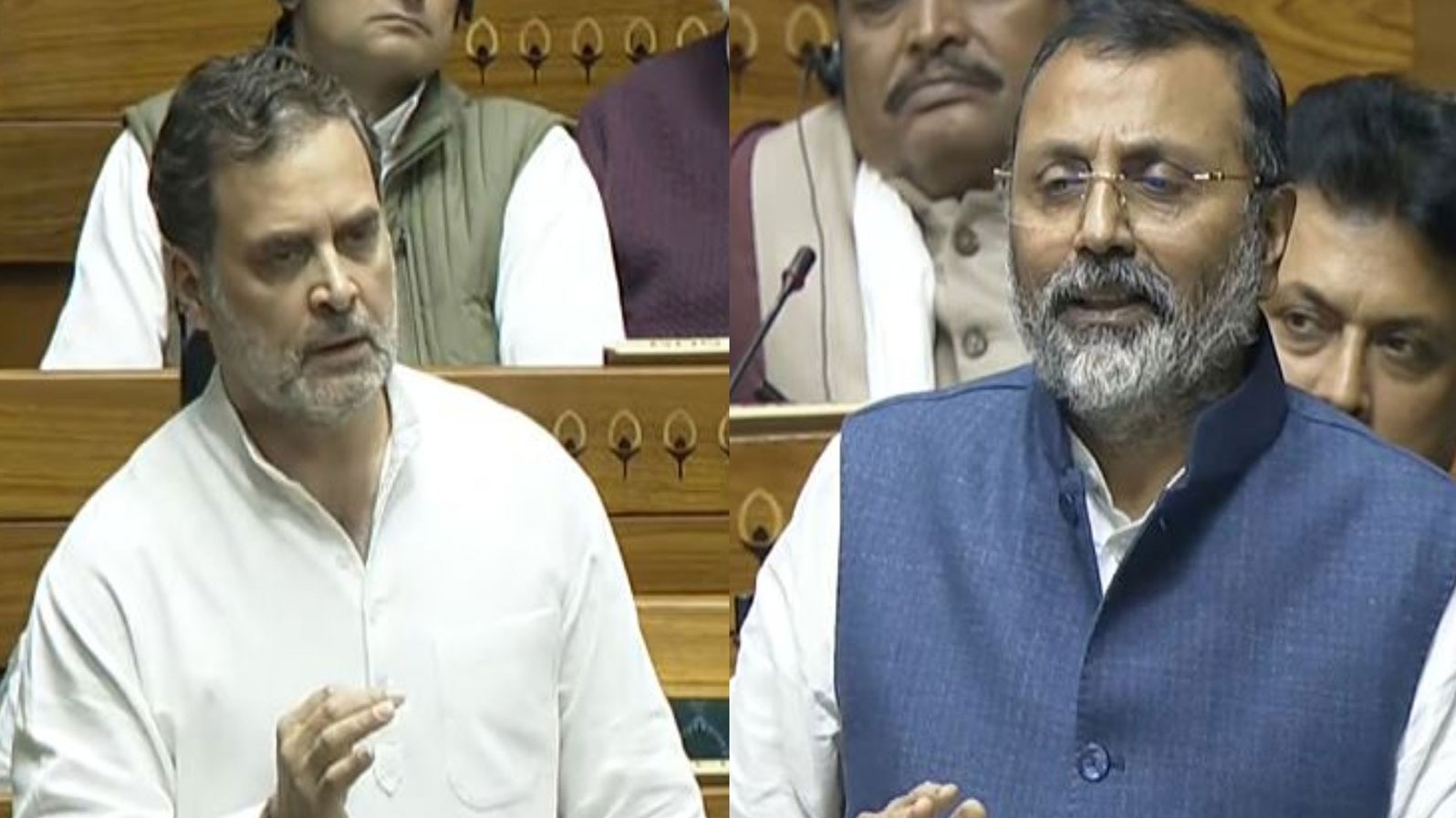
During a heated session of Parliament’s electoral reforms debate, Rahul Gandhi, Leader of the Opposition, launched a broadside against Election Commission of India (EC), accusing it along with the ruling Bharatiya Janata Party (BJP) of orchestrating a massive “vote chori” (vote theft) under the guise of the ongoing Special Intensive Revision (SIR) of electoral rolls. At the same time, the BJP dismissed his claims as “full of lies,” calling them an attempt to tarnish the credibility of constitutional institutions.
What Rahul Gandhi Alleged
In his address to the Lok Sabha, Gandhi raised pointed questions about recent changes to electoral rules and EC functioning. He asked why the Chief Justice of India (CJI) was removed from the selection panel for election commissioners, and why a 2023 law reportedly granted immunity to election commissioners from prosecution calling it an unprecedented move.
He accused the EC of colluding with the BJP to manipulate voter rolls, maintain duplicate or fake voters, and issue duplicate registrations alleging that such practices amounted to institutionalised vote-rigging. He referred to evidence he said the party had gathered, claiming it amount to an “atom bomb” that would expose the depth of the alleged fraud.
Demanding electoral reforms, Gandhi called for:
. Machine-readable voter lists a month before polls.
. Transparency around electronic voting machines (EVMs) including access to their architecture and pre-poll checks.
. Repeal of provisions that allow destruction of CCTV footage from polling booths after 45 days.
He warned that if the EC and related institutions continued as they were, the very foundation of India’s democracy was at stake.
BJP’s Response: “He’s Lying”
Responding sharply, BJP MP Sambit Patra accused Gandhi of spreading falsehoods on the floor of the House. He condemned Gandhi’s remarks as inflammatory, characterised them as an insult to voters including women, youth and farmers and argued that casting doubt on the EC’s integrity was an unprecedented threat to a constitutional body.
Patra and others demanded that if Gandhi had evidence, he should present it properly instead of making sweeping claims. They described the allegation of “vote chori” as disrespectful to millions who had exercised their franchise.
The BJP also rejected Gandhi’s claims about changes in EC-selection law and immunity, asserting that the EC has historically functioned independently and that no precedent existed where a commissioner was prosecuted undermining Gandhi’s line of argument.
Why This Debate Matters
The clash spotlights deeper anxieties about electoral integrity, institutional independence, and democratic trust. The SIR exercise intended to clean up voter rolls and remove duplicates or fraudulent entries has become highly politicised. Critics argue it may disenfranchise vulnerable groups, while proponents say it’s necessary to ensure credible elections.
If Gandhi’s allegations find backing, it could trigger major investigations, reforms in how elections are conducted, how voter lists are maintained, and could shape public trust in institutions. On the flip side, if left unaddressed, reversals or dismissals might further erode faith in democratic processes.
As Parliament and the country digest these developments, what remains clear is the deep polarization over the question of electoral legitimacy and the high stakes involved for India’s democratic framework.
Rahul Gandhi EC allegationsSpecial Intensive Revision SIR controversyBJP response to vote chori claimselectoral reforms debate India 2025Election Commission integrity debatemanipulation of voter rolls accusationsIndia parliamentary debate SIRdemands for transparent voter listvote theft allegations IndiaEC-BJP collusion charges