

Nirmala Sitharaman Counters TMC MP’s Objection to Her Hindi Speech: Language Shouldnt Matter
Written byTimes India
Share
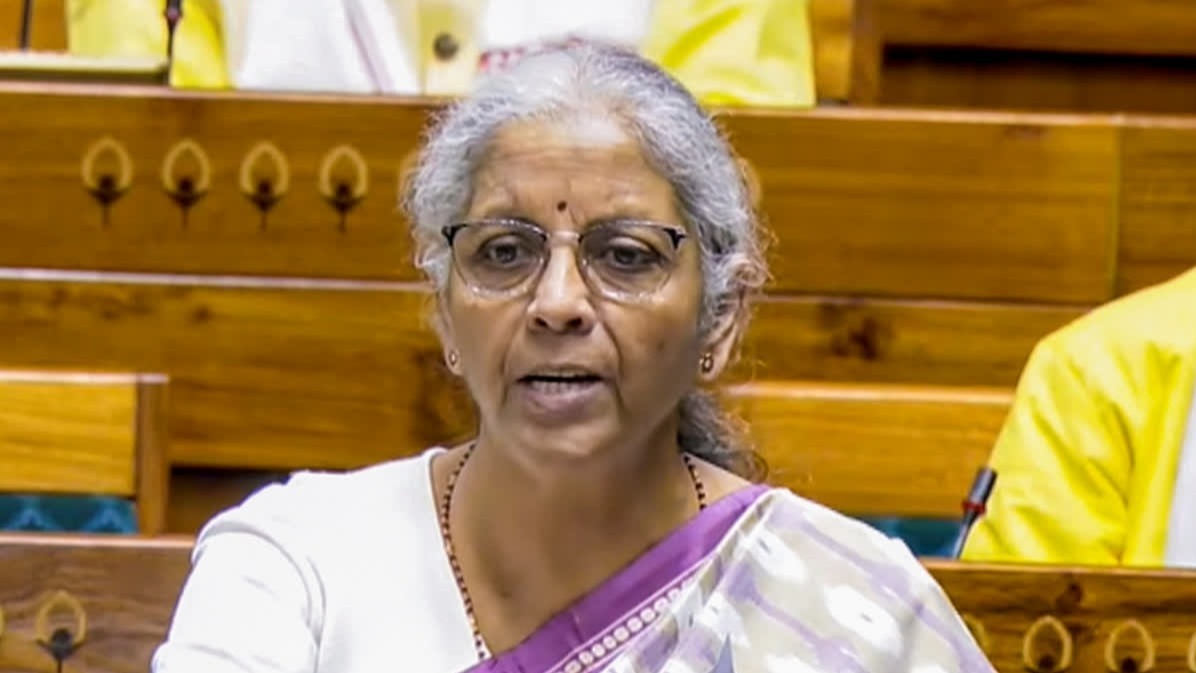
A sharp exchange unfolded in the Lok Sabha on Tuesday when Union Finance Minister Nirmala Sitharaman rebuked a Trinamool Congress (TMC) MP for objecting to her use of Hindi during her address. The confrontation occurred while Sitharaman was responding to queries on economic matters and legislative updates. When a TMC MP interrupted to question why she was speaking in Hindi instead of English, the Finance Minister hit back, saying, “How does it matter? This is the Parliament of India. I can speak in any Indian language.
The remark immediately drew attention, sparking debates on linguistic inclusivity, parliamentary conduct, and the long-standing tensions surrounding language politics in India.
The Exchange in Parliament
According to parliamentary proceedings, the TMC member raised a point stating that many MPs may not fully grasp Hindi and requested the Minister to switch to English for clarity. Sitharaman, who is known for addressing the House in both languages depending on context, stood firm. She argued that Members of Parliament should be prepared to listen to speeches delivered in any constitutionally recognised Indian language.
“I am not obligated to speak only in English,” she said, asserting her right to use Hindi in the House. She further added that translation systems are available for members who need assistance, making the objection unnecessary.
Sitharaman’s Broader Argument on Linguistic Respect
The Finance Minister used the moment to highlight what she described as “a persistent disregard” for Indian languages in certain political quarters. She stated that the objection reflected a mindset that places English above Indian languages, a trend she said should not be encouraged in a democratic and multilingual country like India.
Her response received support from members of the Treasury benches, who thumped their desks in agreement. BJP MPs later echoed her views outside Parliament, arguing that language should not be politicised and that Hindi, being one of the official languages, is well within the Minister’s right to use.
TMC’s Stand on the Issue
The TMC, however, defended its MP, saying the objection was not about Hindi itself but about accessibility. A TMC spokesperson explained that parliamentary discussions must be clear and understandable to all members, especially when crucial policies or bills are being discussed.
“TMC respects all languages, including Hindi,” the spokesperson said. “But ensuring that every MP can follow the Minister’s speech without confusion is equally important, particularly during key economic debates.”
The party also argued that Sitharaman could have accommodated the request without framing it as an attack on Hindi.
A Larger Debate on Language Politics
The exchange reignited conversations on language use in Indian legislative spaces. India’s Parliament allows speeches in any of the 22 languages listed in the Constitution. However, English and Hindi remain the most widely used for official communication.
Experts note that linguistic debates in the House often reflect India’s broader cultural diversity and occasional tensions especially between Hindi-speaking and non-Hindi-speaking states.
Conclusion
While the verbal clash was brief, it underscored how language remains a sensitive and symbolic issue in Indian politics. Sitharaman’s assertive response framed the incident as a matter of linguistic pride, while TMC positioned it as a practical concern about accessibility. As Parliament continues its Winter Session, the incident has added a fresh layer to the ongoing conversation on inclusivity, representation, and communication within India’s democratic institutions.