

Nawazuddin Siddiqui Warns of Dangerous Isolation of Indie Films in India
Written byTimes India
Share
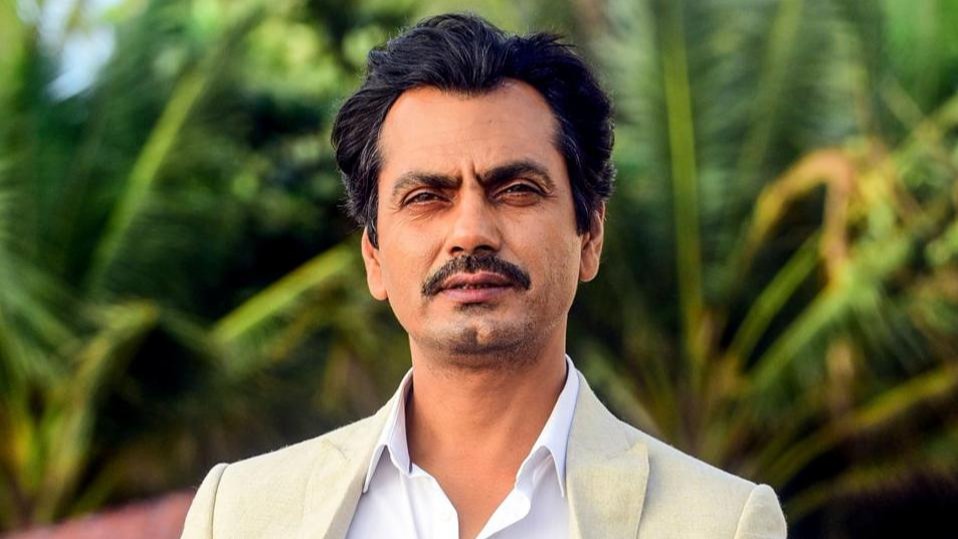
Actor Nawazuddin Siddiqui has once again voiced concern over the state of independent cinema in India, calling its increasing isolation from mainstream exhibition and audiences “dangerous”. Speaking candidly about the challenges faced by non-commercial films, Nawazuddin cited the recent theatrical fate of All We Imagine As Light, which, despite critical acclaim, was reportedly removed from theatres within just four days.
According to the actor, the incident reflects a larger systemic problem where independent films struggle to survive in theatres dominated by big-budget, star-driven releases. “When films like All We Imagine As Light are wiped out so quickly, it raises serious questions about the space being given to meaningful cinema,” Nawazuddin said, adding that this trend could eventually discourage filmmakers from taking creative risks.
A Shrinking Window for Indie Films
Nawazuddin, who built his career on unconventional and content-driven roles, believes that theatrical exposure remains crucial for independent cinema. While digital platforms have provided an alternative route, he argues that streaming cannot replace the cultural and communal experience of cinema halls.
“Theatres are where cinema breathes. If indie films are denied that space, they become isolated, and that isolation is dangerous for the art form,” he said. The actor pointed out that even films that receive international recognition and festival praise often fail to get sustained screen time in India, limiting their reach among domestic audiences.
Commercial Pressures and Market Reality
Industry insiders acknowledge that multiplex chains and single-screen owners often prioritise films that promise immediate box-office returns. With rising operational costs, exhibitors tend to favour high-occupancy releases, leaving little room for slow-burn, narrative-driven films.
Nawazuddin does not deny the business realities but stresses the need for balance. “Cinema can’t survive on numbers alone. If everything is judged only by opening weekend collections, we lose diversity,” he noted. He also expressed concern that young filmmakers may feel pressured to conform to commercial formulas, fearing that original storytelling might never reach audiences.
Role of Audiences and Institutions
The actor believes that audiences, exhibitors, and policymakers all share responsibility in sustaining indie cinema. He called for dedicated screens, longer minimum theatrical windows, and institutional support for films that operate outside the mainstream.
Film festivals, he said, play an important role but are not enough on their own. “Festival applause doesn’t translate into survival if the film can’t be seen by people back home,” Nawazuddin remarked.
A Career Rooted in Independent Storytelling
Nawazuddin Siddiqui’s concerns carry weight given his own journey from parallel cinema and small-budget projects to national and international acclaim. Films like Gangs of Wasseypur, The Lunchbox, and Manto underline how independent storytelling can achieve both artistic and popular success when given the right platform.
Looking Ahead
As debates around theatrical viability, OTT dominance, and audience preferences continue, Nawazuddin’s remarks highlight a critical crossroads for Indian cinema. Without structural support and collective will, he warns, independent films may become invisible within their own country.