

Natures Magic: 5 Countries Where Waterfalls Change Colour Naturally
Written byTimes India
Share
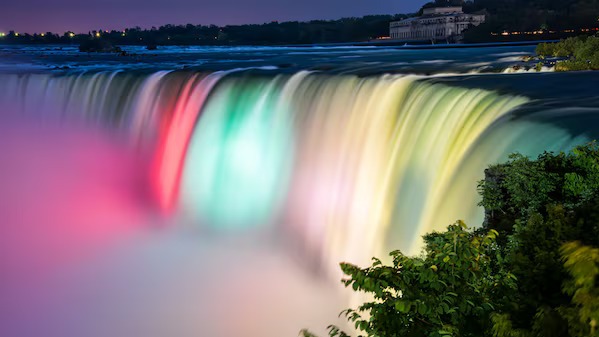
Waterfalls are among nature’s most breathtaking creations, but some go a step further by changing colour naturally, creating a surreal visual spectacle. Across the world, certain waterfalls transform their hues due to seasonal algae blooms, mineral content, light refraction, or surrounding vegetation. Here are five countries that are home to waterfalls famous for their ever-changing colours.
1. Colombia – Cano Cristales
Often called the “River of Five Colours,” Caño Cristales in Colombia is world-renowned for its striking shades of red, pink, yellow, green, and blue. The phenomenon occurs due to Macarenia clavigera, a unique aquatic plant that blooms during specific months. When sunlight, water levels, and temperature align perfectly, the river appears painted in vibrant colours, making it one of the most visually stunning natural wonders on Earth.
2. Peru – Cataratas de Millpu
Hidden in the Ayacucho region, the Millpu waterfalls are a series of cascading turquoise pools that change colour depending on sunlight intensity and mineral concentration. During bright daylight, the water glows a vivid blue, while cloudy conditions shift it to deeper green tones. The clarity and colour variation have made Millpu a rising eco-tourism destination.
3. India – Dudhsagar Falls
Located in Goa, Dudhsagar Falls meaning “Sea of Milk” takes on different shades throughout the year. During monsoons, the waterfall turns muddy brown due to heavy sediment flow, while in winter and early summer, it regains its milky white appearance. The surrounding greenery and light conditions further enhance its changing visual appeal.
4. Iceland – Bruarfoss
Iceland’s Bruarfoss is famous for its unreal electric blue colour, caused by glacial meltwater rich in fine sediment known as rock flour. Seasonal changes in glacial melting can subtly alter the waterfall’s hue from pale turquoise to deep blue making it a favourite among photographers and nature lovers.
5. Argentina – Iguazu Falls
Straddling the border between Argentina and Brazil, Iguazú Falls is one of the largest waterfall systems in the world. Its colour varies dramatically with rainfall and river flow. After heavy rains, the water turns brown due to sediment, while during drier periods, it appears clearer with hints of green and blue. Rainbows often form in the mist, adding another layer of colour to the spectacle.
Why Do Waterfalls Change Colour?
Natural colour changes occur due to several factors:
- Algae and aquatic plants
- Mineral content
- Sediment levels
- Sunlight and angle of light
- Seasonal water flow
These elements interact differently throughout the year, creating dynamic and ever-changing landscapes.
Colour-changing waterfalls are a reminder that nature is constantly evolving. Whether caused by plant life, minerals, or seasonal shifts, these waterfalls offer unique visual experiences that feel almost magical. Visiting them at different times of the year reveals a new personality each time, making them true wonders of the natural world.