

Mercedes-Benz to Pay $149.6 Million to Resolve Emissions Violations Across US States
Written byTimes India
Share
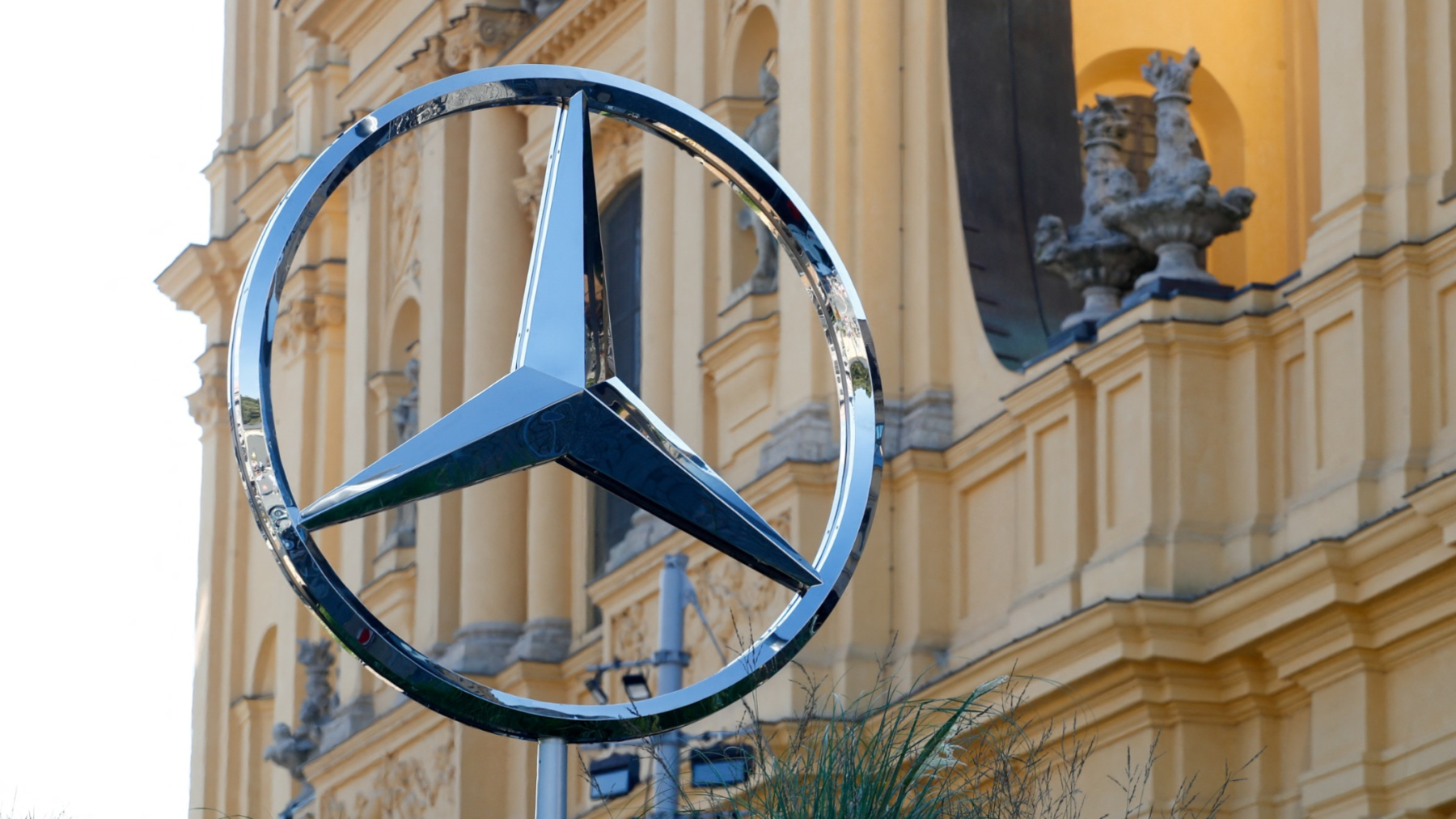
German luxury automaker Mercedes-Benz has agreed to pay $149.6 million to settle allegations related to emissions violations across multiple U.S. states, marking one of the latest major enforcement actions against global carmakers over environmental compliance. The settlement resolves claims that certain diesel vehicles were equipped with software designed to bypass emissions control systems during regulatory testing.
Background of the Case
The multistate investigation was led by attorneys general from several U.S. states, in coordination with federal environmental agencies. Authorities alleged that Mercedes-Benz installed so-called “defeat devices” in some diesel models sold in the United States, allowing the vehicles to emit higher levels of nitrogen oxides (NOx) during real-world driving than permitted under emissions standards.
Nitrogen oxides are harmful pollutants that contribute to smog formation, respiratory illnesses, and environmental degradation, making emissions compliance a key focus for regulators.
Mercedes-Benz has not admitted wrongdoing as part of the settlement but agreed to the payout in order to resolve the matter and avoid prolonged litigation.
What the Settlement Includes
The $149.6 million settlement includes multiple components:
- Civil penalties payable to participating states
- Mitigation funds to support environmental projects aimed at reducing air pollution
- Vehicle emissions remediation, including software updates for affected diesel models to ensure compliance with emissions standards
The settlement also requires Mercedes-Benz to implement stricter compliance and reporting measures, ensuring that future vehicle technologies meet regulatory requirements.
Impact on Mercedes-Benz
For Mercedes-Benz, the settlement represents both a financial cost and a reputational challenge. While the company has been transitioning aggressively toward electric vehicles (EVs) and cleaner mobility solutions, the case highlights the lingering consequences of legacy diesel technology decisions.
In a statement, Mercedes-Benz emphasized its commitment to sustainability and noted that it has significantly reduced its diesel portfolio in key markets. The company also reaffirmed its long-term strategy to achieve carbon neutrality and expand its electric lineup globally.
Industry analysts note that while the settlement amount is substantial, it is manageable for a company of Mercedes-Benz’s scale and is unlikely to materially impact its long-term financial outlook.
Broader Industry Context
The case is part of a wider crackdown on emissions violations that began after the Volkswagen diesel scandal in 2015, which reshaped global automotive regulations. Since then, regulators have intensified scrutiny of emissions testing, leading to increased penalties and stricter certification processes for automakers.
Several manufacturers have faced similar investigations, pushing the industry toward greater transparency, electrification, and cleaner engine technologies. As a result, diesel vehicles have steadily declined in popularity in the U.S., while EV adoption continues to rise.
What It Means for Consumers and Regulators
For consumers who own affected Mercedes-Benz diesel vehicles, the settlement may result in mandatory or voluntary software updates to bring cars into compliance. Regulators, meanwhile, see the agreement as a strong signal that emissions violations will face serious consequences.
Environmental groups welcomed the settlement, calling it a step toward accountability, while urging continued oversight as automakers roll out new technologies.
The $149.6 million settlement closes a significant chapter in Mercedes-Benz’s emissions compliance history. As the global auto industry accelerates toward electrification, the case underscores the importance of regulatory adherence and environmental responsibility lessons that continue to shape the future of mobility.