

MediaTek: Smaller Chips Power Next-Gen AI on Mobile Phones
Written byTimes India
Share
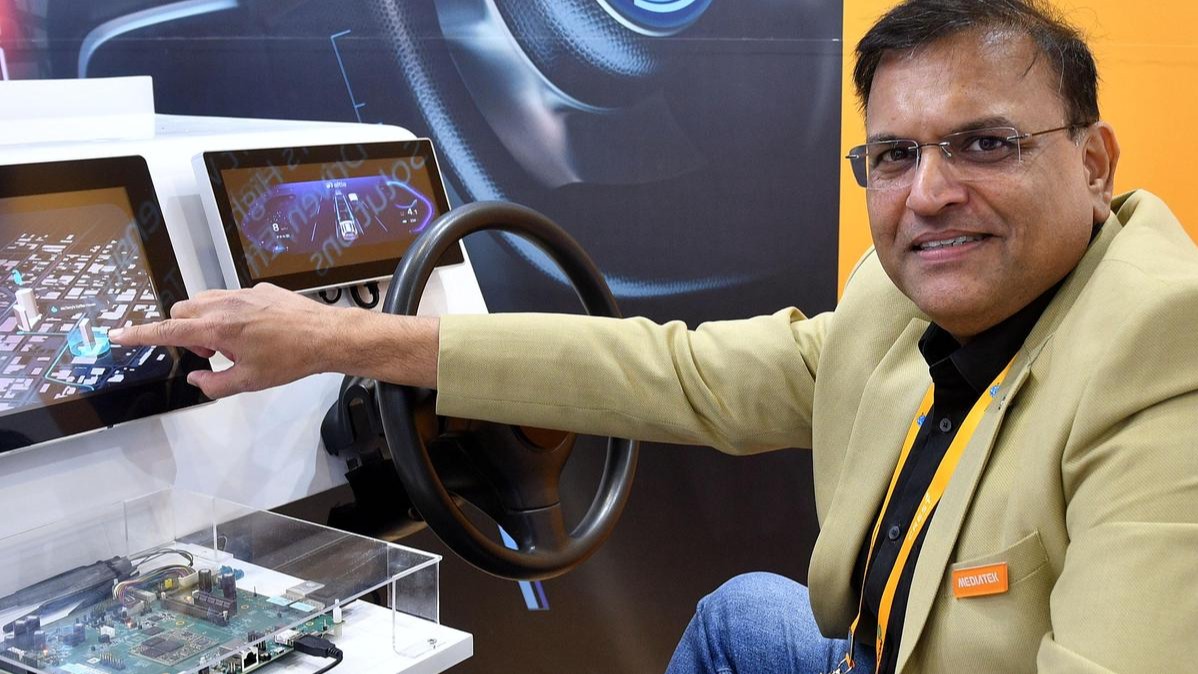
Mobile phones are undergoing a major evolution in chip technology, with manufacturers increasingly adopting smaller and more efficient processors to handle the growing demands of artificial intelligence (AI) workloads, according to industry leader MediaTek. The shift to compact, high-performance chips is expected to transform how smartphones process data, run AI applications, and manage power consumption.
Why Smaller Chips Matter
Traditionally, mobile processors focused on balancing performance, power efficiency, and thermal management. However, the rise of AI features such as on-device natural language processing, real-time image recognition, and predictive apps has created new requirements for higher compute density and lower latency.
Smaller chips often fabricated using advanced nanometer-scale technology allow manufacturers to pack more transistors into the same silicon footprint. This results in:
- Faster AI processing: Tasks such as real-time translation, voice assistants, and augmented reality applications can run more smoothly.
- Lower power consumption: Compact chips generate less heat and consume less energy, extending battery life.
- Enhanced multitasking: Smartphones can handle multiple AI-driven tasks simultaneously without lag.
“Moving to smaller chip architectures is essential for AI workloads on mobile devices,” said a MediaTek spokesperson. “It ensures that users can enjoy advanced AI capabilities without compromising speed or battery life.”
Applications of AI on Modern Smartphones
AI-powered features have become standard in flagship and mid-range smartphones alike. Some examples include:
- Camera enhancements: AI improves low-light photography, automatically adjusts exposure, and applies real-time filters.
- Voice assistants: AI engines process commands faster and handle contextual conversations.
- Predictive functionalities: Phones learn user behavior, optimizing notifications, app launches, and battery use.
- Gaming: AI accelerates in-game graphics, character behavior, and adaptive gameplay for smoother experiences.
With smaller chips, these features can operate on-device, reducing dependence on cloud processing and improving privacy and responsiveness.
MediaTek’s Role in the Shift
MediaTek has been at the forefront of integrating AI acceleration into its system-on-chips (SoCs). Their recent Dimensity series and other AI-ready processors showcase how on-device AI performance is improving without increasing power demands.
The company highlights that chip miniaturization does not just boost AI performance but also enables sleeker smartphone designs, as smaller processors occupy less space, allowing larger batteries or thinner form factors.
Future of AI in Mobile Phones
Industry experts predict that the next wave of mobile AI will rely heavily on smaller, energy-efficient chips. This will enable features such as:
- Real-time language translation during calls
- Advanced augmented reality experiences for shopping and gaming
- Predictive health monitoring and wellness applications
- Enhanced security with AI-driven biometric authentication
Smaller chips will not only accelerate AI but also make it more accessible to a wider range of devices, including mid-tier smartphones, making intelligent features standard rather than premium.
The migration to smaller chips, as highlighted by MediaTek, marks a critical turning point in mobile AI development. Users can expect faster, smarter, and more energy-efficient devices in the coming years, making AI a core part of everyday smartphone experiences. As manufacturers continue to innovate at the silicon level, AI features will become more seamless, responsive, and integrated into daily life.