

Japan Eases Arms Export Rules Marks Shift from Postwar Pacifism
Written byTimes India
Share
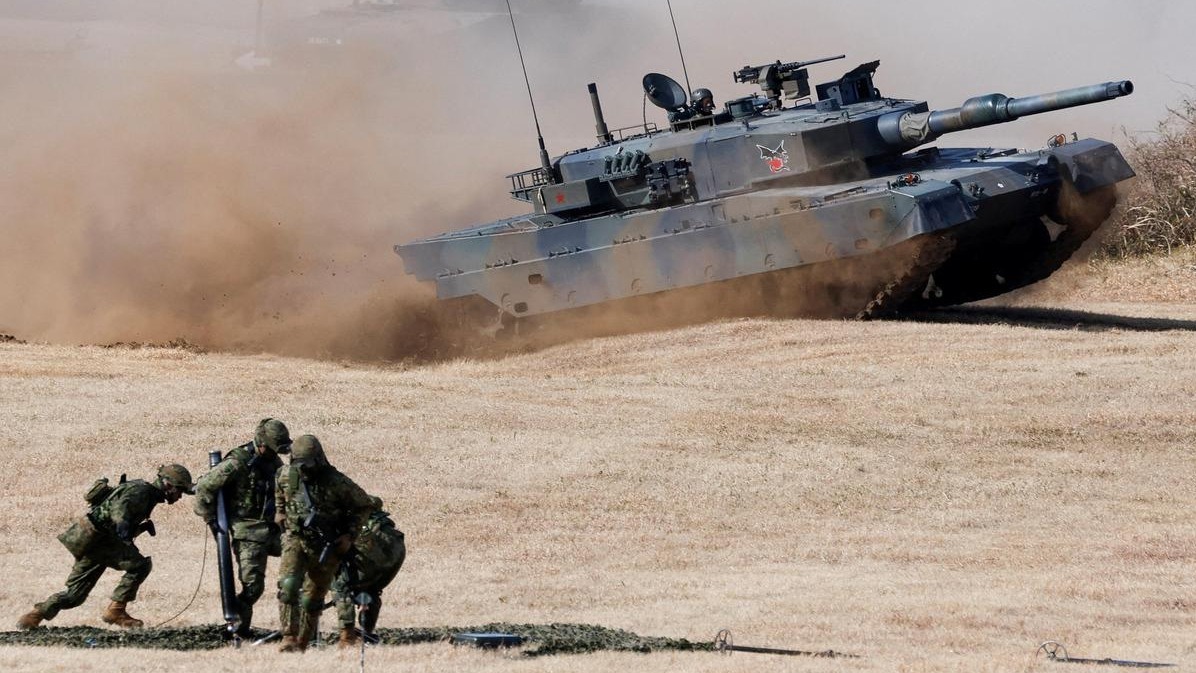
Japan Approves Scrapping Ban on Lethal Weapons Exports in Major Policy Shift
In a significant and historic move, Japan has approved a policy change allowing the export of lethal weapons, marking a major shift from its long standing postwar pacifist stance. This decision reflects changing global security dynamics and Japan’s growing role in international defence cooperation.
For decades after World War II, Japan followed a strict pacifist policy under its Constitution, particularly Article 9, which renounces war and prohibits the country from maintaining offensive military capabilities. As part of this approach, Japan had imposed tight restrictions on the export of weapons, especially lethal arms. However, the latest decision signals a gradual transformation in the country’s defence and foreign policy.
What Has Changed?
Under the new rules, Japan will now be able to export certain types of lethal weapons, particularly those developed in collaboration with allied countries. This includes advanced defence equipment such as fighter jets and missile systems, which may be jointly produced with partners like the United States and the United Kingdom.
Earlier, Japan could only export non lethal military equipment or components. Even in cases of joint development, strict conditions limited how and where such equipment could be supplied. The new policy relaxes these restrictions, allowing greater flexibility in defence exports.
Reasons Behind the Shift
Several factors have contributed to this change in policy. One of the main reasons is the evolving security environment in the Asia Pacific region. Rising tensions, especially involving countries like China and North Korea, have increased the need for stronger defence capabilities and closer cooperation with allies.
Japan’s government believes that allowing the export of defence equipment will help strengthen partnerships with like minded nations. By participating in joint development and supply chains, Japan can contribute more effectively to regional and global security.
Another important factor is the need to support Japan’s domestic defence industry. Limited export opportunities in the past made it difficult for Japanese defence companies to grow and remain competitive. With the new policy, these companies may gain access to international markets, boosting innovation and economic growth.
Impact on Global Alliances
The decision is expected to deepen Japan’s ties with key allies, particularly the United States and European nations. Joint defence projects, such as next generation fighter aircraft, rely on collaboration and shared resources. Allowing exports makes such partnerships more practical and efficient.
This move also aligns Japan more closely with other major democracies that actively participate in global defence cooperation. By contributing equipment and technology, Japan can play a larger role in maintaining international stability.
Concerns and Criticism
Despite its strategic importance, the policy change has sparked debate within Japan. Critics argue that easing restrictions on weapons exports could undermine the country’s pacifist principles and increase the risk of being involved in global conflicts.
Some citizens and opposition leaders worry that Japan may gradually move away from its commitment to peace, which has been a core part of its identity since World War II. There are also concerns about how exported weapons might be used by other countries, particularly in conflict zones.
The government, however, has assured that strict guidelines will remain in place to ensure that exports are carefully controlled. Weapons will not be supplied to countries involved in active conflicts, and each case will be reviewed individually.
Balancing Security and Pacifism
Japan now faces the challenge of balancing its pacifist ideals with the realities of modern security threats. While the Constitution remains unchanged, interpretations of its provisions have evolved over time to allow for greater flexibility in defence policy.
The government maintains that the new rules are consistent with Japan’s commitment to peace, as they are intended to strengthen deterrence and prevent conflict rather than promote it. By working with allies and contributing to collective security, Japan aims to protect its national interests while supporting global stability.
What This Means for the Future
This policy shift could have long term implications for Japan’s role in the world. As the country becomes more involved in defence exports and international cooperation, it may take on a more proactive role in global security affairs.
At the same time, the decision reflects a broader trend among nations adapting their policies to address new challenges. In an increasingly uncertain world, countries are rethinking traditional approaches to defence and security.
For Japan, this marks a turning point moving from a strictly pacifist stance toward a more balanced approach that combines peace with preparedness.
Japan’s approval to allow the export of lethal weapons represents a historic change in its postwar policy. Driven by evolving security needs, economic considerations, and stronger alliances, the move signals a new chapter in the country’s defence strategy.
While the decision has raised concerns about the future of Japan’s pacifist identity, the government insists that it remains committed to peace and responsible global engagement. As the policy takes effect, its impact will be closely watched both within Japan and around the world.