

Indias Wholesale Inflation Hits 3.5-Year High Amid West Asia Tensions
Written byTimes India
Share
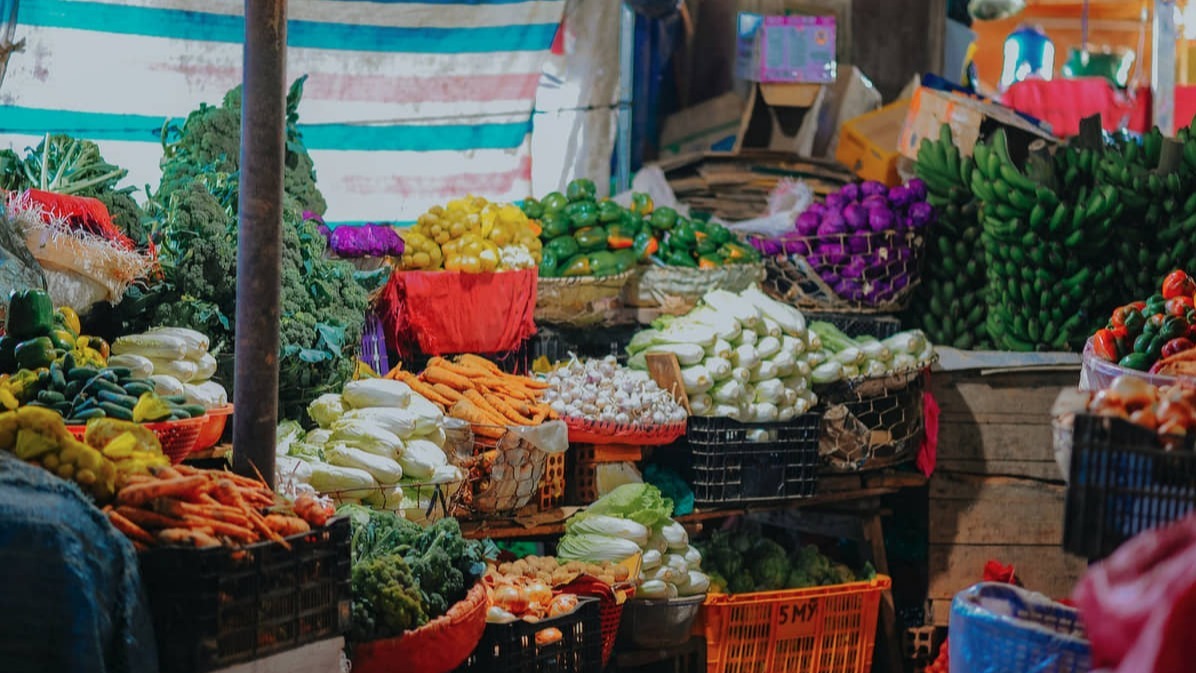
Wholesale Inflation Jumps to 3.5-Year High of 8.3% in April 2026 on West Asia Impact
India’s wholesale inflation rose sharply in April 2026, reaching a 3.5-year high of 8.3%, driven mainly by rising energy prices and supply concerns linked to tensions in West Asia.
The increase in wholesale prices reflects growing pressure on the economy as global crude oil markets remain volatile. Higher transportation costs, expensive fuel imports, and disruptions in supply chains contributed significantly to the inflation spike.
The latest data has raised concerns among economists and policymakers, especially because inflation affects businesses, manufacturing costs, and eventually consumer prices.
What Is Wholesale Inflation?
Wholesale inflation measures the change in prices of goods sold in bulk before they reach consumers. In India, this is tracked through the Wholesale Price Index (WPI).
Unlike retail inflation, which directly reflects consumer spending, wholesale inflation focuses on prices at the producer and distributor level.
A sharp rise in WPI usually indicates increasing input costs for industries, which may later affect retail prices as well.
Why Did Inflation Rise So Sharply?
The biggest reason behind the April 2026 jump was the impact of geopolitical tensions in West Asia.
Concerns over conflict and instability in the region pushed global crude oil prices higher. Since India imports a large portion of its oil needs, rising crude prices quickly increased fuel and transportation costs.
Higher fuel prices affect multiple sectors because transportation plays a major role in moving goods across the country.
Energy Prices Lead the Surge
Energy and fuel categories recorded one of the biggest increases during the month.
The rise in oil prices led to:
- Higher diesel and petrol costs
- Increased freight expenses
- Rising manufacturing input costs
Industries that rely heavily on transportation and fuel were among the most affected.
Experts say energy inflation often spreads across the economy because nearly every sector depends on fuel either directly or indirectly.
Food and Commodity Prices Also Increased
Apart from energy, prices of several commodities and food items also remained elevated.
Some categories saw higher prices due to:
- Weather-related supply disruptions
- Global commodity volatility
- Increased import costs
Manufacturing-related goods also became more expensive because of higher raw material costs.
Impact on Businesses
Rising wholesale inflation creates pressure for businesses in several ways.
1. Higher Production Costs
Companies spend more on fuel, raw materials, and logistics.
2. Lower Profit Margins
If businesses cannot fully pass costs to customers, profits may shrink.
3. Price Hikes for Consumers
Many companies eventually increase product prices, which can affect household budgets.
Small and medium businesses are often more vulnerable because they have limited flexibility in handling cost increases.
What It Means for Consumers
Although wholesale inflation does not directly measure retail prices, it can eventually affect everyday expenses.
If high wholesale inflation continues:
- Packaged goods may become more expensive
- Transport costs may rise
- Fuel prices could remain elevated
- Services linked to logistics may cost more
Consumers may especially feel pressure in areas like food, travel, and household products.
Role of West Asia in Global Oil Markets
West Asia remains one of the world’s most important oil-producing regions. Any geopolitical tension in the area often affects global crude prices almost immediately.
For India, which depends heavily on imported crude oil, developments in the region have a direct impact on:
- Fuel prices
- Import bills
- Inflation trends
- Currency stability
This is why global geopolitical events can strongly influence domestic economic conditions.
What Economists Are Saying
Economists believe the inflation trend will depend heavily on:
. Future crude oil prices
. Stability in West Asia
. Domestic food supply conditions
. Government policy responses
Some experts warn that if energy prices remain high for a prolonged period, inflationary pressure could continue in the coming months.
Others believe inflation may ease if global tensions reduce and oil prices stabilize.
Possible Government and RBI Response
Rising inflation often increases pressure on policymakers and the Reserve Bank of India.
Authorities may focus on:
- Monitoring fuel supply and prices
- Managing food inflation
- Supporting economic stability
- Controlling excessive price rises
The RBI may also closely watch inflation trends while making future interest-rate decisions.
Global Economic Concerns
India is not the only country facing inflationary pressure. Many economies are dealing with:
- Rising energy costs
- Supply chain disruptions
- Global uncertainty
The situation highlights how interconnected global markets have become.
India’s wholesale inflation rising to 8.3% in April 2026 marks the highest level in around three and a half years, mainly due to rising energy prices linked to tensions in West Asia.
The increase reflects growing pressure on businesses, supply chains, and the broader economy. While the future trend will depend on global oil markets and geopolitical stability, the latest figures underline how international developments can directly affect domestic inflation.
For now, businesses, consumers, and policymakers will all be watching closely for signs of relief in the months ahead.