

India Inc in 2025: Key Business Events That Redefined the Economy
Written byTimes India
Share
The year 2025 proved to be a defining chapter for India’s business and economic landscape, marked by policy shifts, corporate milestones, market volatility, and renewed global engagement. From regulatory reforms to major investment moves, several developments reshaped the way India does business and positioned the country for long-term growth.
1. Stock Markets Hit New Highs Amid Volatility
Indian equity markets witnessed record highs in 2025, driven by strong domestic participation, foreign fund inflows, and optimism around economic stability. The Sensex and Nifty crossed multiple psychological milestones, although intermittent global headwinds including geopolitical tensions and interest rate uncertainty led to periods of sharp correction. Retail investor participation reached new levels, underscoring growing confidence in India’s capital markets.
2. Manufacturing Push Gains Momentum
The government’s emphasis on Make in India and Production Linked Incentive (PLI) schemes bore visible results in 2025. India strengthened its position as a global manufacturing hub, particularly in electronics, smartphones, and consumer goods. Multinational companies expanded local production, while India emerged as a key export base for global brands, boosting employment and reducing import dependence.
3. Big-Ticket Mergers, Acquisitions and Corporate Restructuring
Corporate India saw significant consolidation during the year. Major mergers and acquisitions reshaped sectors such as banking, telecom, aviation, and FMCG. Airlines expanded fleets and routes amid rising travel demand, while legacy companies undertook restructuring to improve efficiency and profitability. These moves reflected a maturing corporate ecosystem focused on scale and competitiveness.
4. Rupee, Inflation and Monetary Policy
The Indian rupee experienced periods of pressure against the U.S. dollar, influenced by global currency movements and crude oil prices. However, inflation remained largely under control, giving policymakers room to balance growth with stability. The Reserve Bank of India’s calibrated approach to liquidity and rates helped maintain investor confidence and financial stability.
5. Rise of India’s Startup and Tech Ecosystem
Despite global funding slowdowns, India’s startup ecosystem displayed resilience. Select unicorns focused on profitability, while sectors like fintech, AI, EVs, and deep tech attracted strategic investments. Regulatory clarity in digital payments and financial services further strengthened India’s position as a global innovation hub.
6. Infrastructure and Logistics Expansion
Infrastructure remained a cornerstone of economic growth in 2025. Massive investments in metros, highways, ports, and logistics corridors improved connectivity and reduced costs for businesses. The expansion of metro rail networks in major cities and the push for multimodal transport enhanced urban mobility and trade efficiency.
7. Trade and Global Partnerships
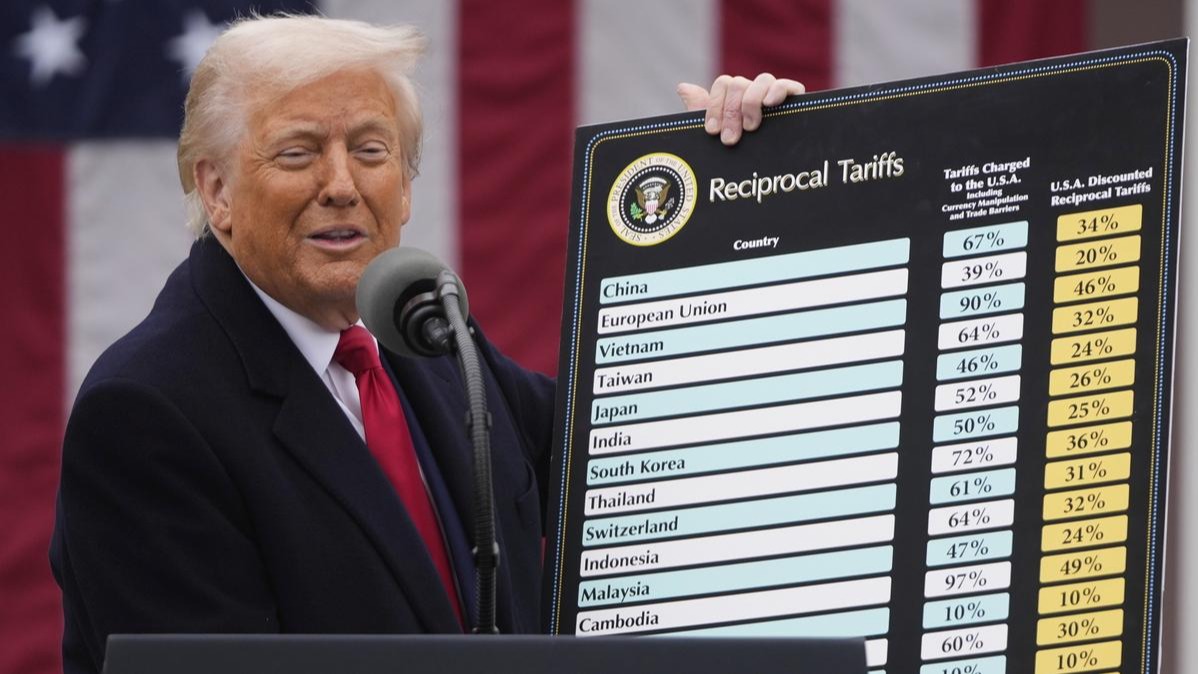
India made notable strides in global trade negotiations, pushing for free trade agreements and stronger economic partnerships. Efforts to diversify export markets and reduce trade deficits particularly with major economies remained in focus. India’s growing role in global supply chains further boosted its standing as a reliable economic partner.
Overall, 2025 was a year of consolidation, resilience, and strategic growth for India’s business ecosystem. While challenges persisted, the combined impact of strong domestic demand, policy reforms, infrastructure expansion, and global engagement laid the foundation for sustainable economic progress. As India moves into 2026, the lessons and momentum from this transformative year are expected to shape the next phase of growth.