

I Ended the War Between India and Pakistan, Says Former US President Trump
Written byTimes India
Share
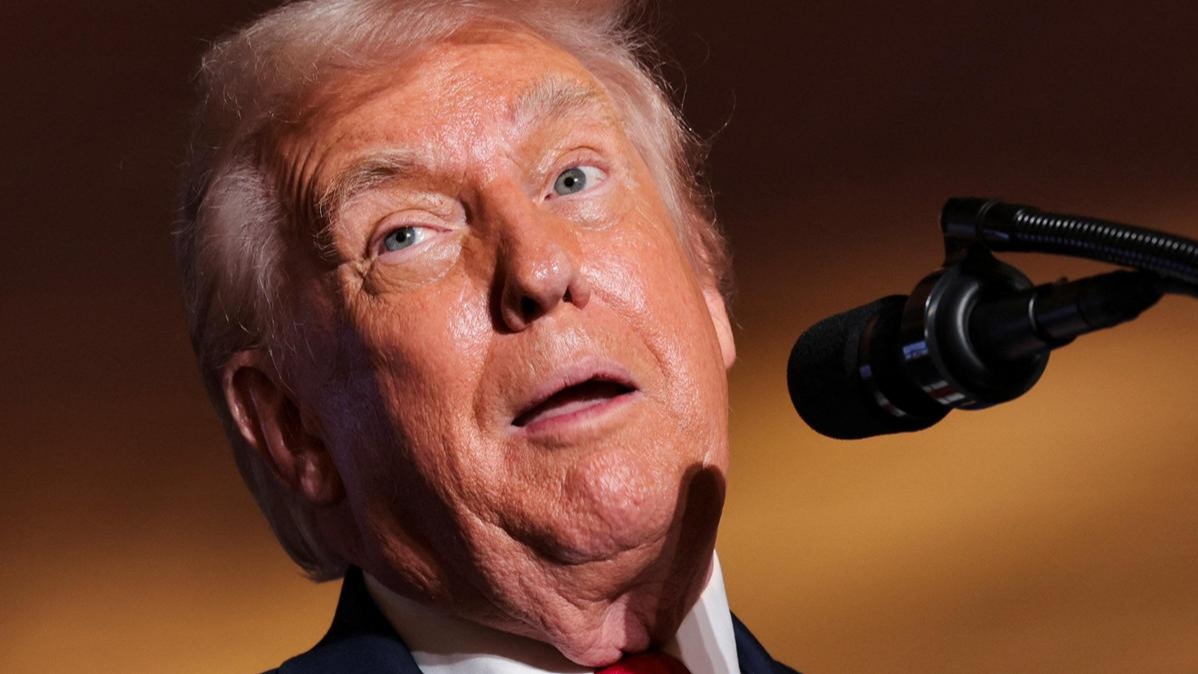
Former US President Donald Trump recently claimed that he played a decisive role in ending a conflict between India and Pakistan, asserting that his intervention prevented the situation from escalating further. The remarks, made during a campaign-style rally, have sparked discussion and debate about the US’s historical involvement in South Asian conflicts.
Trump’s Statement
At a recent public event, Trump said, “Pakistan and India, they were going at it, and I ended the war.” He emphasized that his administration’s diplomatic efforts were pivotal in mediating tensions between the two nuclear-armed neighbors. According to Trump, his intervention included direct communication with the leadership of both countries, urging restraint and dialogue to avoid escalation.
While Trump did not specify which particular confrontation he was referring to, his comments appear to allude to long-standing tensions over Kashmir and various skirmishes that occurred during his presidency. He framed the situation as a demonstration of his ability to negotiate complex international conflicts.
International Reaction
Experts and diplomats have been cautious in responding. While it is widely acknowledged that the US has historically engaged in diplomatic efforts in South Asia, the claim that Trump “ended the war” has been met with skepticism. Many analysts point out that India and Pakistan have maintained intermittent peace talks and ceasefire agreements independently of direct US intervention.
A South Asian security analyst noted:
“While the US has been a critical player in regional diplomacy, it is an overstatement to say that one administration single-handedly ended a war between India and Pakistan. Trump’s remarks appear to be more political messaging than a factual recount of events.”
US-South Asia Relations
During Trump’s tenure, the US did engage with both New Delhi and Islamabad, primarily focusing on counterterrorism, trade, and military cooperation. The Trump administration also hosted diplomatic discussions aimed at de-escalating tensions along the Line of Control in Kashmir. Though these efforts may have contributed to temporary stability, there was no formal war-ending treaty signed under his watch.
Trump’s statement comes in the context of his continued political messaging, often emphasizing foreign policy “successes” to appeal to voters ahead of potential electoral campaigns. While the claim is bold, it reflects a broader pattern of his style framing US diplomacy as highly personal and decisive.
Implications
The remarks have reignited discussions about the role of the US in South Asian diplomacy. For India and Pakistan, both of which have maintained cautious engagement with Washington, such statements may not reflect official positions but do underscore the influence of US presidents in shaping narratives around international conflicts.
For observers and the media, Trump’s claim serves as a reminder of how high-profile leaders often frame historical events to emphasize personal impact, even in situations where outcomes are the result of multiple actors over extended periods.
Conclusion
While the assertion that Trump “ended the war” between India and Pakistan is contested, it has drawn attention to the role of the US in regional diplomacy and the broader political narrative crafted by former leaders. Whether factual or hyperbolic, the statement highlights Trump’s continued focus on foreign policy achievements as a key element of his public persona.