

Govt Set to Roll Out Export Promotion Mission Guidelines This Week: Sources
Written byTimes India
Share
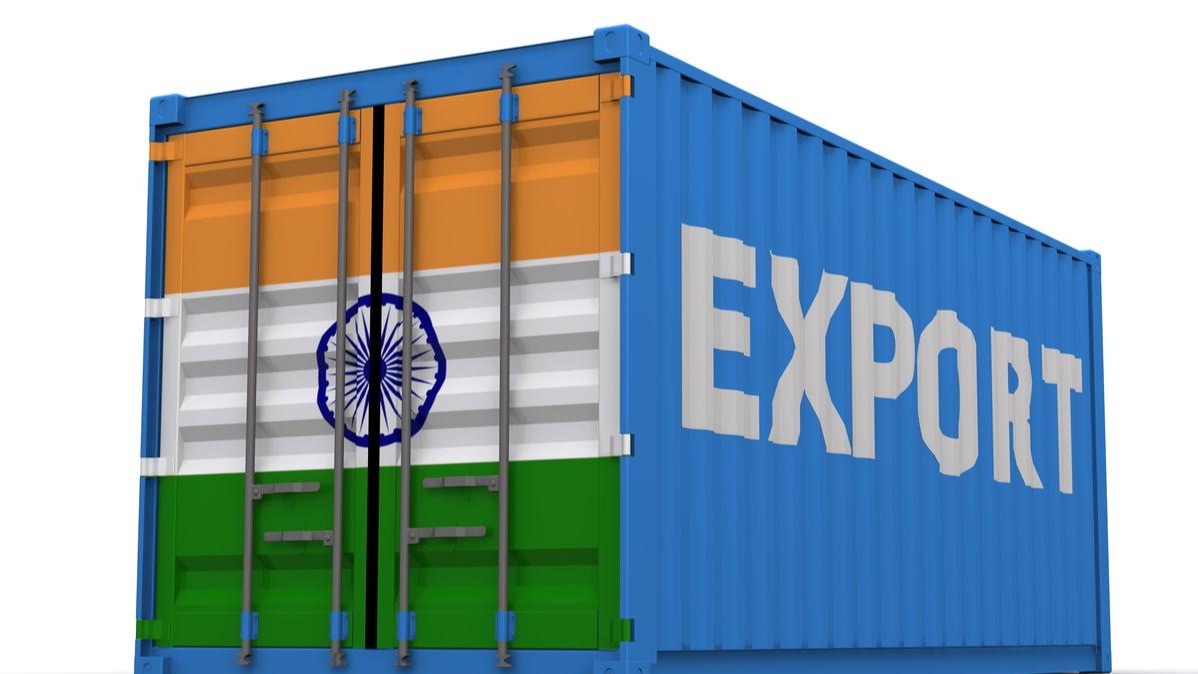
The Government of India is expected to issue key guidelines for the Export Promotion Mission (EPM) this week, according to sources familiar with the matter. These guidelines are being eagerly awaited by exporters, industry associations, and policymakers as part of a broader strategy to revitalize India’s export ecosystem, enhance competitiveness in global markets, and meet ambitious trade targets set for the coming years.
The Export Promotion Mission is a significant policy initiative aimed at boosting India’s exports, diversifying the export basket, and ensuring that Indian businesses particularly micro, small and medium enterprises (MSMEs) are better equipped to compete internationally. The issuance of clear and actionable guidelines is expected to provide much-needed clarity and support to exporters across various sectors.
Why These Guidelines Matter
India’s export journey has experienced both surges and slowdowns in recent years. While merchandise and services exports reached record highs in certain months, persistent challenges such as global demand fluctuations, supply chain disruptions, logistics bottlenecks, and trade policy uncertainties have sometimes constrained growth.
The EPM guidelines are designed to address these challenges by:
- Providing strategic direction for export growth initiatives
- Enhancing market access through trade agreements and partnerships
- Strengthening export infrastructure at ports, logistics hubs, and trade facilitation centers
- Supporting exporters with financial incentives and risk mitigation tools
- Fostering innovation and quality standards for higher-value exports
By issuing updated guidelines this week, the government aims to ensure that policy actions align with global trade dynamics, bolster India’s share in key markets, and improve the ease of exporting for businesses of all sizes.
Expected Components of the Guidelines
While the official document has not yet been released, sources indicate that the guidelines could include several key components:
1. Sector-Specific Export Strategies
Different sectors such as textiles, pharmaceuticals, engineering goods, electronics, and food products face unique challenges and opportunities in global markets. The guidelines may outline tailored strategies for high-potential sectors, including:
- Focus on value addition and branding
- Encouraging product diversification
- Assistance with meeting international quality and compliance standards
This sectoral approach is expected to help exporters optimize their global competitiveness.
2. Market Prioritization and Trade Routes
With global trade patterns shifting, emphasis may be placed on prioritizing emerging and under-penetrated markets. The guidelines could recommend:
- Enhancing trade engagement with African, Latin American, and ASEAN markets
- Leveraging existing and upcoming free trade agreements (FTAs)
- Establishing dedicated export promotion cells in key markets
Such measures would help Indian exporters navigate global demand trends and reduce reliance on traditional trading partners alone.
3. Ease of Exporting and Logistics Support
Exporting involves multiple procedural steps from obtaining licenses to shipping goods. The guidelines are expected to:
- Simplify documentation procedures
- Facilitate digital export hubs
- Improve multimodal logistics connectivity
- Reduce transaction costs and time delays
Efficient logistics and simplified export processes are essential for MSMEs and large manufacturers alike to compete on global platforms.
4. Financial & Risk Support Mechanisms
Exporters often face payment delays, currency volatility, and credit constraints. The guidelines may propose enhanced support, including:
- Export credit schemes
- Interest subsidies
- Insurance coverage
- Risk mitigation tools for overseas payments
Such support can boost confidence among businesses looking to expand into global markets.
5. Capacity Building and Innovation Promotion
To stay competitive, exporters must innovate and meet quality benchmarks. The upcoming guidelines could allocate resources for:
- Training exporters on compliance and market insights
- Promoting R&D for export-oriented products
- Encouraging quality certification and international standards adoption
This focus on capacity building could help Indian exporters scale higher up the value chain.
Industry Reactions
Preliminary industry reactions point to broad support for clearer export mission guidelines. Leading trade bodies such as the Federation of Indian Export Organisations (FIEO) and various sector associations have long advocated for a more structured export support framework, particularly one that addresses both short-term market needs and long-term strategic imperatives.
Industry leaders hope that the guidelines will also enable better alignment between central and state export initiatives, leveraging each region’s strengths in exports.
Government’s Export Ambitions
The government has repeatedly outlined its intent to boost India’s exports, with ambitious targets set for the coming years. These include both merchandise and services exports, with a focus on sectors such as electronics, textiles, gems and jewellery, and processed foods. A robust export strategy, backed by actionable guidelines, is critical to achieving these targets and positioning India as a major global trade player.
The forthcoming EPM guidelines are expected to be part of a larger roadmap that integrates export promotion with domestic industrial growth, foreign investment facilitation, and trade facilitation reforms.
As India prepares to issue the export promotion mission guidelines this week, businesses and trade experts are watching closely for details that could reshape the export landscape. The expected directive promises to offer strategic clarity, operational support, and financial incentives that can help exporters navigate global markets more effectively.
If implemented effectively, these guidelines could not only accelerate growth in exports but also enhance India’s global trade footprint, create jobs, and contribute significantly to economic resilience and growth.
For exporters from small enterprises to large manufacturers the upcoming guidelines could prove a gamechanger in 2026 and beyond.
Export Promotion Mission guidelinesIndia export policy 2026export strategy Indiaglobal trade Indiaexport facilitationIndian exporters supportsector export planstrade logistics Indiaexport finance and risk toolsmerchandise exports Indiaservices exports growthtrade agreements Indiaease of exporting policiesexport market prioritization