

FIFA World Cup 2026 Tickets Sell Fast Even as Fans Criticise High Prices
Written byTimes India
Share
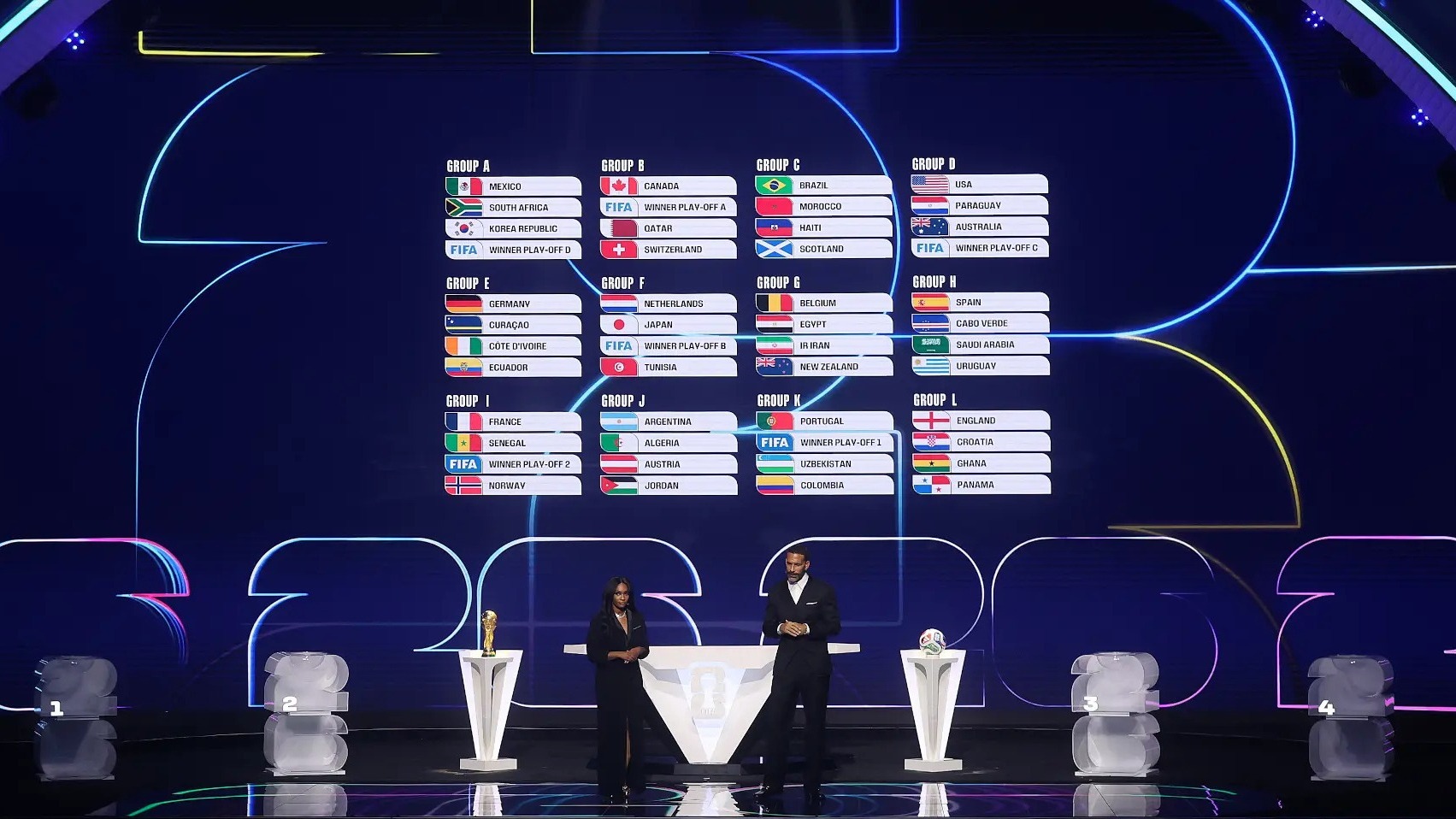
Despite widespread criticism over steep ticket prices, demand for the FIFA World Cup 2026 has remained exceptionally strong, underlining the tournament’s unmatched global appeal. Fans across continents are snapping up tickets at a rapid pace, even as many take to social media to express frustration over affordability and accessibility.
The 2026 edition of the World Cup, set to be jointly hosted by the United States, Canada, and Mexico, is already being billed as the biggest in FIFA history. With the tournament expanding to 48 teams and matches spread across multiple iconic cities, anticipation has reached unprecedented levels fueling demand regardless of pricing concerns.
Ticket Prices Spark Debate
Soon after FIFA released ticket pricing details, fans voiced concerns over what they described as “excessive” and “elite-oriented” costs. Prices for premium seats and knockout-stage matches reportedly surged far beyond previous editions, with hospitality packages and high-demand fixtures costing thousands of dollars.
Many fans argued that football’s global appeal lies in its accessibility, and rising prices risk alienating working-class supporters. Online campaigns and fan forums have called on FIFA to reconsider pricing structures, especially for group-stage matches and family-friendly sections.
Demand Remains Unshaken
Despite the backlash, ticket sales and registration interest have exceeded expectations. FIFA officials confirmed that millions of fans registered for ticket lotteries within days of the announcement. Major matches particularly those involving traditional powerhouses like Brazil, Argentina, Germany, and hosts USA have seen overwhelming demand.
Analysts attribute this to several factors:
. The first 48-team World Cup, offering more matches and broader global representation
. The tournament’s return to North America after more than three decades
. Increased international travel interest post-pandemic
. Messi, Ronaldo, and other global icons potentially making final World Cup appearances
. The tournament’s return to North America after more than three decades
. Increased international travel interest post-pandemic
. Messi, Ronaldo, and other global icons potentially making final World Cup appearances
For many fans, the opportunity to attend a historic edition outweighs financial concerns.
FIFA’s Response
FIFA has defended its pricing strategy, stating that ticket categories are designed to accommodate a wide range of budgets. Officials point out that lower-priced tickets are available for select matches and that local residents may benefit from region-specific pricing models.
The governing body has also emphasized investments in infrastructure, security, and fan experience across three host nations, citing these factors as contributors to higher operational costs.
Concerns Over Accessibility
While demand remains strong, critics warn that consistently rising ticket prices could change the demographic makeup of stadium crowds. Football historians and fan associations argue that the sport’s soul lies in its grassroots following and fear a gradual shift toward a more corporate, tourism-driven audience.
There are also concerns that fans from developing football nations may find it increasingly difficult to attend matches, undermining FIFA’s stated goal of global inclusivity.
Looking Ahead
As the tournament approaches, attention will remain focused on how FIFA balances commercial success with fan accessibility. With ticket demand showing no signs of slowing, the 2026 World Cup appears set to break attendance and revenue records though not without controversy.
The FIFA World Cup 2026 has once again proven football’s unparalleled magnetism. Even amid vocal criticism over ticket prices, fans worldwide are eager to be part of history. The challenge now lies in ensuring that the world’s most popular sport remains truly for the people, both inside and outside the stadiums.