

End of an Era Spirit Airlines Announces Closure After Decades in Service
Written byTimes India
Share
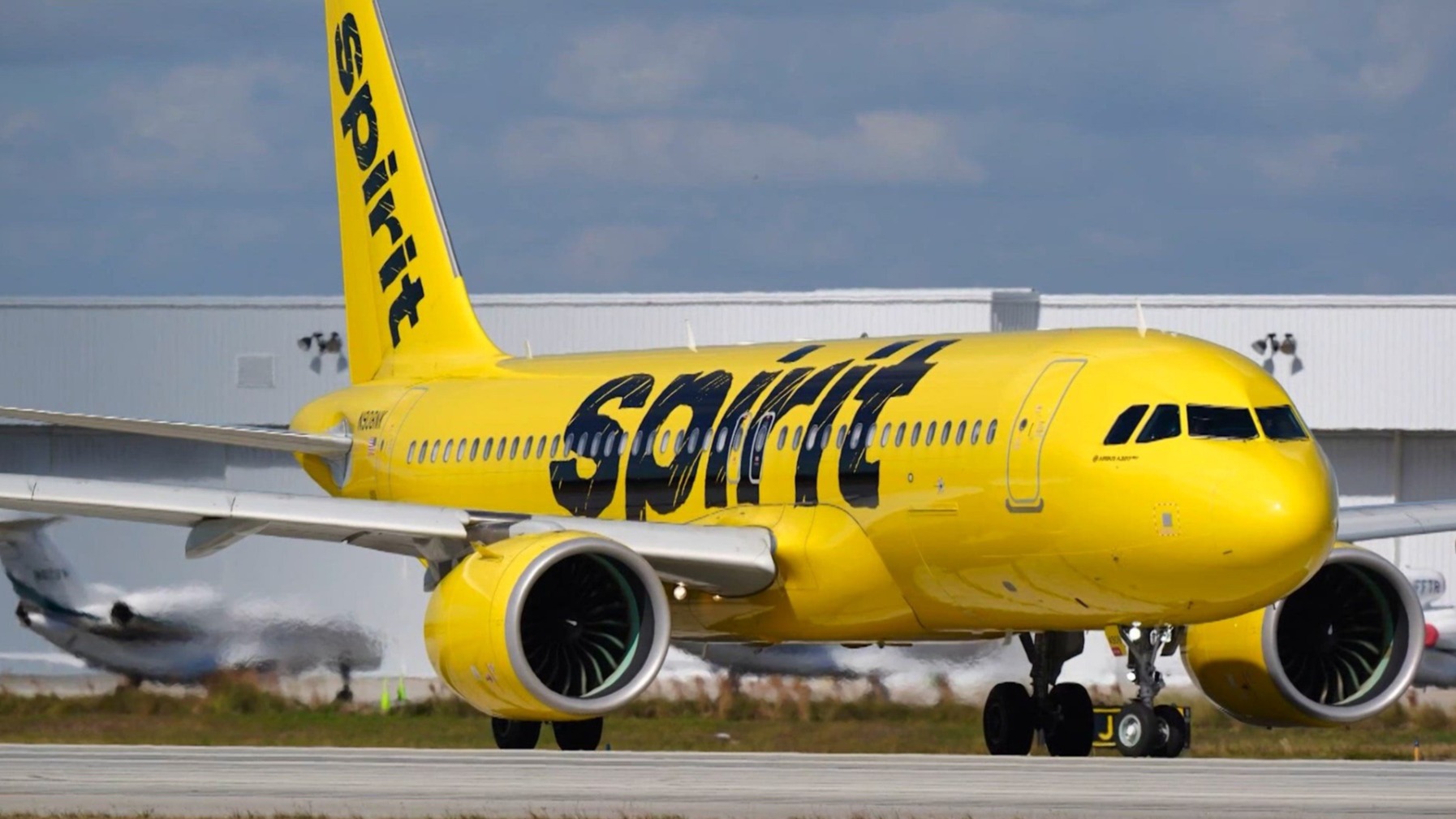
Spirit Airlines Says It’s Going Out of Business After 34 Years and Is Ending Operations
In a surprising development for the aviation industry, Spirit Airlines has announced that it is going out of business after 34 years of operations. The ultra low cost carrier, known for its budget friendly fares, confirmed that it will be shutting down completely, marking the end of an era for millions of travelers.
The announcement has raised concerns among passengers, employees, and industry experts, as Spirit Airlines has long been a major player in the low cost travel segment in the United States.
A 34 Year Journey Comes to an End
Founded in 1992, Spirit Airlines built its reputation by offering some of the lowest fares in the industry. Its business model focused on keeping ticket prices low while charging extra for additional services such as baggage, seat selection, and onboard amenities.
Over the years, the airline expanded its network across the United States, Latin America, and the Caribbean, becoming a popular choice for budget-conscious travelers.
However, despite its growth, the airline has faced increasing financial challenges in recent years.
Why Is Spirit Airlines Shutting Down?
The decision to cease operations is believed to be the result of multiple factors:
1. Rising Operational Costs
Fuel prices, maintenance costs, and staffing expenses have increased significantly, putting pressure on low-cost carriers that rely on thin profit margins.
2. Intense Competition
The airline industry has become highly competitive, with both traditional carriers and other low-cost airlines offering attractive pricing and improved services.
3. Financial Struggles
Like many airlines, Spirit faced setbacks during and after the COVID 19 pandemic, which disrupted global travel and reduced demand for flights.
4. Failed Business Strategies
Recent attempts to restructure or merge with other airlines did not succeed, further impacting its financial stability.
Impact on Passengers
Passengers who have already booked tickets with Spirit Airlines are likely to face uncertainty. The airline has stated that it will provide guidance regarding refunds, cancellations, or rebooking options. Travelers are advised to check official updates and contact customer support for assistance.
Those planning future travel may need to look for alternative airlines, which could lead to higher ticket prices due to reduced competition in the budget segment.
Impact on Employees
The closure will also affect thousands of employees, including pilots, cabin crew, and ground staff. Job losses in the aviation sector can have a significant impact, especially as the industry continues to recover from recent disruptions. Efforts may be made to help affected employees find opportunities with other airlines.
Industry Reactions
The shutdown of Spirit Airlines is expected to have ripple effects across the aviation industry. Experts believe that the exit of a major low cost carrier could reduce competition, potentially leading to higher fares. Other airlines may step in to fill the gap, but the transition may take time.
What Happens Next?
As operations wind down, several key developments are expected:
- Gradual cancellation of flights
- Processing of refunds and claims
- Redistribution of routes among other airlines
- Possible acquisition of assets by competitors
Regulatory authorities may also monitor the situation to ensure passenger rights are protected.
A Changing Aviation Landscape
The closure of Spirit Airlines highlights the challenges faced by budget airlines in a rapidly changing market.
While low fares attract customers, maintaining profitability requires careful cost management and adaptability. The industry continues to evolve, with new trends shaping the future of air travel.
The announcement that Spirit Airlines is going out of business after 34 years marks a significant moment in the aviation industry. Known for making air travel more affordable, the airline leaves behind a legacy that reshaped the budget travel segment.
As passengers and employees navigate this transition, the broader impact on the industry will become clearer in the coming months. For now, it signals the end of a well known name in low-cost aviation.