

Effort to Lift Trump-Imposed India Tariffs Gains Momentum in U.S. Congress
Written byTimes India
Share
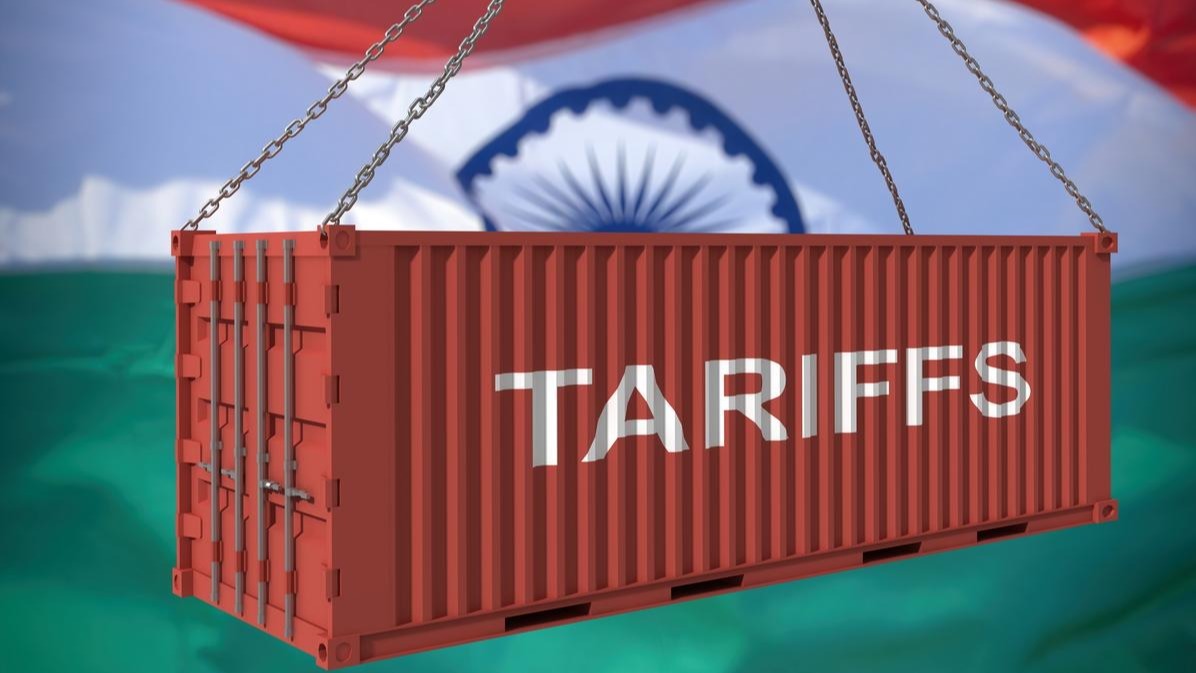
In a significant development for U.S.-India trade relations, three lawmakers in the United States Congress have introduced a resolution seeking to end the 50% tariffs imposed on Indian goods during the Trump administration. The tariffs, which affected a wide range of imports including steel, aluminium, and select consumer goods, have been a source of tension between the two countries’ economic and diplomatic ties.
Background: Trump-Era Tariffs
In 2018, the Trump administration imposed steep tariffs on India, citing national security concerns and trade imbalances. The tariffs covered several categories of Indian exports and were widely criticized by Indian industry groups for increasing costs and reducing competitiveness in the U.S. market.
While the tariffs were intended to protect domestic American industries, Indian exporters argued that they disrupted longstanding trade relationships and affected thousands of businesses and workers.
The Resolutio
The newly introduced resolution, spearheaded by three bipartisan lawmakers, calls for a review and eventual removal of the 50% tariffs. The lawmakers emphasized that ending these tariffs would:
- Strengthen U.S.-India trade ties
- Encourage greater economic cooperation and investment
- Benefit American consumers through more affordable imports
- Support Indian exporters and businesses affected by previous trade restrictions
According to the lawmakers, the resolution reflects a mutual interest in promoting fair trade and strengthening strategic ties between the two nations, especially in light of global supply chain challenges.
Reactions from India
Industry representatives in India have welcomed the move, describing it as a step in the right direction for restoring smooth trade relations. Exporters hope that removing the tariffs would help Indian companies regain access to the U.S. market on more favorable terms, particularly for steel, aluminium, textiles, and IT products.
Economists have also noted that lifting tariffs could contribute to greater bilateral economic growth, strengthen investment flows, and reinforce India’s role as a reliable trade partner for the United States.
U.S. Perspective
From the American side, supporters of the resolution argue that the tariffs have had mixed results in protecting domestic industries while increasing costs for consumers and businesses that rely on imported Indian goods. By ending the tariffs, they hope to enhance competitiveness and reduce inflationary pressures in the U.S. market.
Next Steps
The resolution will now undergo deliberation in the U.S. Congress. While resolutions are not legally binding, they signal political intent and can influence policy decisions. Analysts suggest that bipartisan support and growing interest in U.S.-India strategic partnership may increase the likelihood of a policy review and tariff rollback.
The introduction of this resolution marks a pivotal moment in U.S.-India trade relations, potentially paving the way for the removal of tariffs imposed during the Trump era. If successful, it could restore economic momentum, benefit exporters on both sides, and strengthen strategic ties between two of the world’s largest democracies.