

DoT Set to Mandate Display of KYC-Verified Caller Names to Curb Spam Calls
Written byTimes India
Share
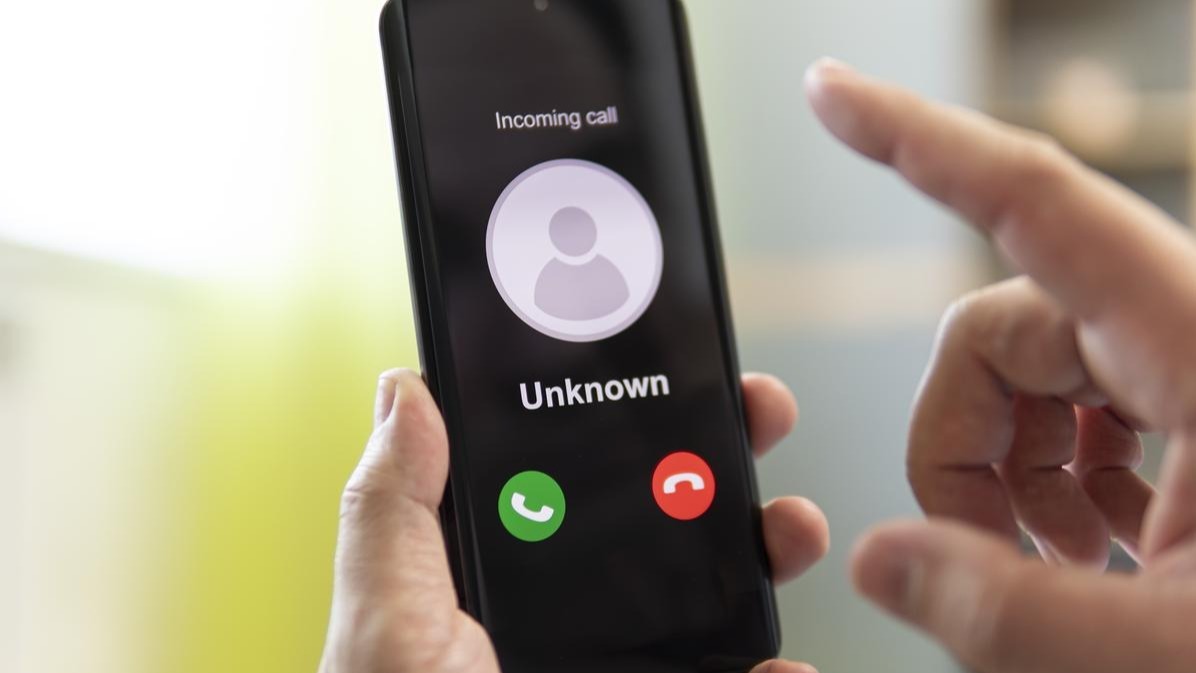
In a major step toward tackling India’s persistent problem of spam and fraudulent calls, the Department of Telecommunications (DoT) is preparing to mandate the display of KYC-verified names on all incoming mobile calls. The move is aimed at enhancing transparency, reducing impersonation-based scams, and giving users better control over who is contacting them.
According to senior officials familiar with the development, the DoT is finalizing guidelines that will require telecom operators to integrate verified customer details collected during SIM registration—into caller identification systems. This means that the registered name linked to a phone number’s KYC data will automatically appear on the recipient’s screen whenever a call is placed, regardless of the app or device being used.
The initiative comes amid the rising volume of spam, phishing attempts, and fraud calls that have plagued Indian mobile users for years. While third-party apps such as Truecaller have attempted to fill the gap, the government believes that a network-level, official authentication mechanism is necessary to ensure accuracy and reliability.
Under the proposed system, telecom service providers will have to build or upgrade their infrastructure to support the display of verified caller information. The name shown will be the same one used during the SIM registration process, ensuring a higher level of authenticity compared to crowdsourced databases.
Officials say this step aligns with the government’s broader efforts to strengthen digital trust and protect consumers. Just recently, the DoT and the Ministry of Home Affairs launched multiple initiatives under the Sanchar Saathi portal, enabling users to report fraud, block stolen phones, and check the number of active mobile connections under their identity. Mandating KYC-based caller display is seen as a natural extension of this digital safety ecosystem.
Telecom operators are expected to get a transition period to implement the changes. This could involve system-level upgrades and integration with existing databases to ensure smooth and accurate functioning. While telcos acknowledge the potential benefits for users, they may raise concerns about implementation costs and the need for adequate timelines.
Consumer rights groups have welcomed the decision, noting that verified caller IDs will significantly reduce the success rate of fraudsters who typically use spoofed numbers or misleading identities. By allowing users to see the genuine, government-verified name behind each call, the system will help people make more informed decisions before picking up unknown numbers.
However, some privacy advocates have urged the government to ensure strong safeguards, such as options for users to request corrections to their KYC data and mechanisms to protect personal information from misuse. Officials have clarified that the display will be limited to the verified name and will not involve sharing additional sensitive details.
Once implemented, India will join a growing list of countries prioritizing official caller verification systems in the face of increasing digital fraud. With millions of spam calls made every day, the DoT’s decision could mark a significant turning point in restoring trust in mobile communication.