

DK Shivakumar Responds to Pinarayi Vijayan on Bengaluru Demolitions: Not Into Bulldozers
Written byTimes India
Share
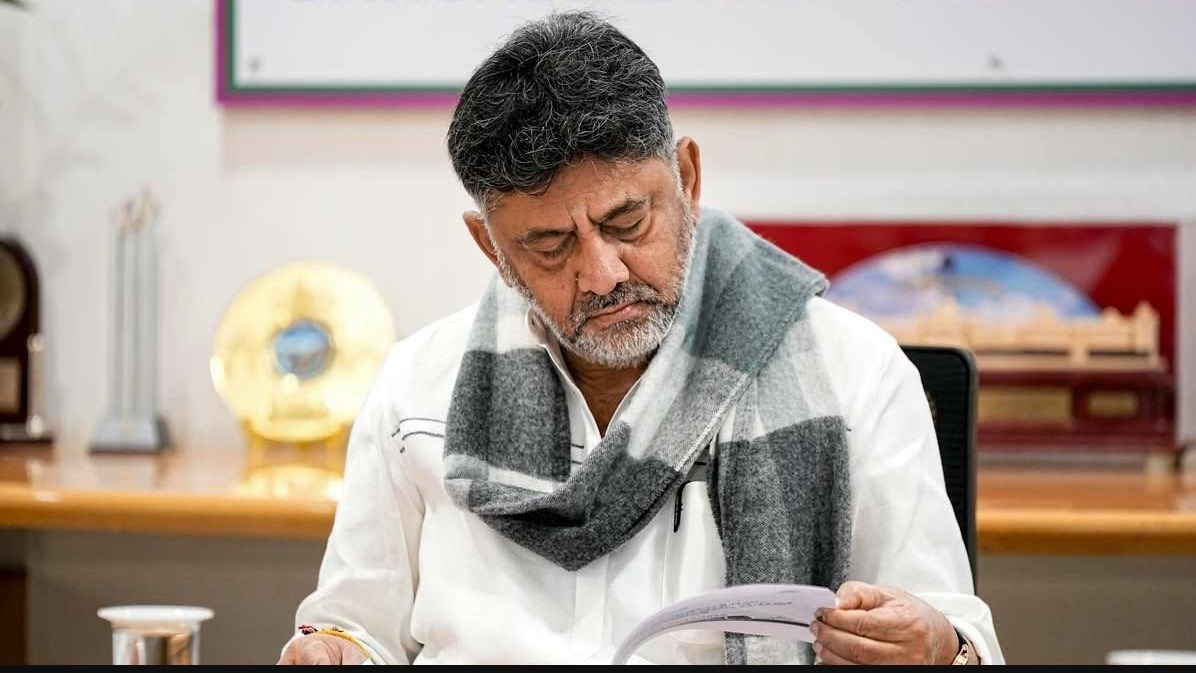
Bengaluru witnessed heated political exchanges after Kerala Chief Minister Pinarayi Vijayan criticized the ongoing demolition drive in the city. The criticism was swiftly countered by Karnataka Congress President DK Shivakumar, who clarified his stance and distanced himself from aggressive demolition rhetoric, emphasizing a more measured approach to urban development and law enforcement.
Background of the Demolition Drive
The Bengaluru municipal authorities recently initiated a demolition drive targeting illegal constructions across various neighborhoods. The campaign aims to enforce urban planning regulations, ensure public safety, and reclaim public land. While authorities claim the drive is necessary to maintain the city’s infrastructure and environmental standards, it has generated both support and opposition among residents and politicians.
Kerala CM Pinarayi Vijayan commented on the drive, labeling it “excessive and aggressive” and suggesting that such measures could disrupt communities rather than solve urban planning challenges. His remarks sparked reactions from political leaders in Karnataka, most notably DK Shivakumar.
DK Shivakumar’s Response
DK Shivakumar, a senior Congress leader and Karnataka’s political heavyweight, responded to Vijayan’s comments during a press conference. He stated:
“I am not into bulldozers. Our approach in Bengaluru is balanced and aims at rule of law, not destruction. Criticism is welcome, but it must be based on facts, not exaggeration.”
Shivakumar emphasized that the demolition drive is not a political statement but an administrative necessity. He further clarified that the government seeks to ensure compliance with legal norms while protecting residents’ interests, signaling a pragmatic and non-confrontational approach.
Balancing Urban Development and Residents’ Rights
The Bengaluru drive underscores a broader challenge faced by rapidly growing Indian cities: enforcing regulations while safeguarding citizens’ livelihoods and homes. Shivakumar highlighted key principles guiding the government’s approach:
- 1. Legal Compliance: Only structures that violate municipal or urban planning laws are targeted.
- 2. Public Safety: Buildings deemed unsafe or constructed on vulnerable land are prioritized.
- 3. Community Engagement: Efforts are made to inform residents in advance and provide options for relocation or regularization.
- 4. Transparency: The government has released data and notifications about affected areas to reduce misinformation.
This approach aims to balance urban development with fairness, avoiding the perception of indiscriminate or politically motivated action.
Political Reactions and Public Opinion
Political analysts note that Vijayan’s comments may reflect inter-state political posturing, while Shivakumar’s response emphasizes local governance and administrative prudence. The exchange also highlights the delicate balance between enforcement and public perception in India’s urban centers.
Public opinion on the demolition drive is mixed:
- Supporters argue that reclaiming public land and removing illegal constructions is essential for infrastructure development and city planning.
- Opponents express concern over displacement, inadequate rehabilitation, and the pace of demolition, fearing community disruption.
Social media reactions indicate that citizens are closely watching the government’s handling of sensitive urban issues, particularly in a city as diverse and densely populated as Bengaluru.
DK Shivakumar’s Political Messaging
By asserting “not into bulldozers”, Shivakumar is sending a dual message:
- 1.To critics like Vijayan, he signals that the drive is administrative, not aggressive or political.
- 2. To Bengaluru residents, he reassures that the government is sensitive to their concerns and is acting responsibly.
This messaging reflects a careful political strategy, balancing law enforcement with empathy for citizens’ needs.
The Bengaluru demolition drive and the ensuing political debate underscore the challenges of urban governance in India’s megacities. While Kerala CM Pinarayi Vijayan criticized the approach as harsh, DK Shivakumar’s response emphasized rule of law, transparency, and measured enforcement.
As cities continue to grapple with illegal constructions, population growth, and urban planning demands, the focus remains on implementing policies that are effective, fair, and minimally disruptive to communities. Shivakumar’s stance signals that Bengaluru aims to achieve this balance, projecting administrative responsibility without resorting to unnecessary force or controversy.
The debate also highlights how urban policy decisions often intersect with political narratives, making it essential for leaders to communicate intentions clearly while maintaining public trust. In the coming months, the government’s handling of the demolition drive will likely serve as a case study in urban governance and political communication.
DK Shivakumar Bengaluru demolitionPinarayi Vijayan criticismBengaluru illegal constructionsKarnataka Congress newsBengaluru urban developmentIndia city demolition drivepolitical response Karnatakaurban governance Indiademolition controversy BengaluruDK Shivakumar statementBengaluru municipal newsKarnataka political newsIndia city planning news