

Dhurandhars Dark Reality: Uzair Baloch and the Violent Legacy of Karachis Gang Wars
Written byTimes India
Share
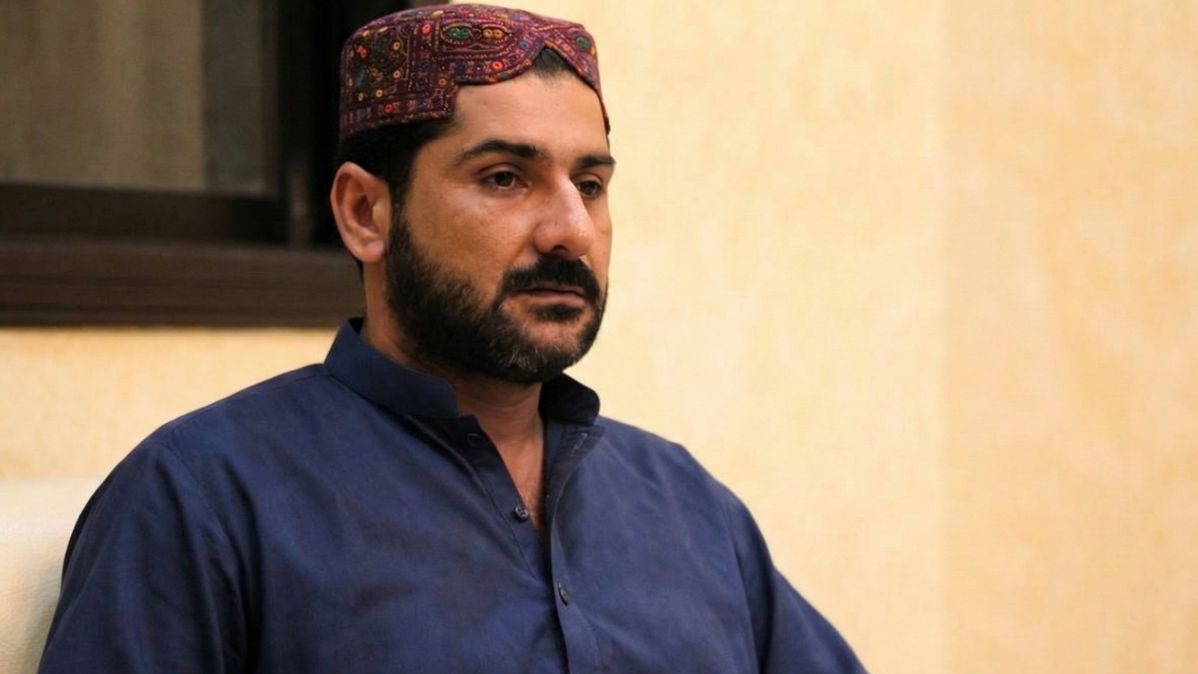
The upcoming film Dhurandhar draws from some of the darkest chapters of Karachi’s criminal underworld, with characters inspired by real-life gangsters whose brutality shocked South Asia. Among them is Uzair Baloch, a feared gang leader who rose to power after the death of Rehman Dakait, and whose actions became symbolic of the extreme violence that defined Karachi’s gang wars in the 2000s.
Rise After Rehman Dakait’s Death
Rehman Dakait, once one of Karachi’s most powerful gang leaders, was killed in a police encounter in 2009. His death created a leadership vacuum within the Lyari-based gang network that controlled extortion, drug trafficking, and contract killings. Uzair Baloch, then a close associate, swiftly emerged as Dakait’s successor.
Baloch inherited not only the gang’s operations but also its culture of fear and dominance, consolidating power through violence and intimidation. Under his leadership, the gang became more aggressive, expanding its influence across Karachi’s criminal landscape.
A Symbol of Extreme Brutality
Uzair Baloch’s notoriety grew due to several acts that cemented his reputation as one of Pakistan’s most feared criminals. Among the most disturbing incidents attributed to him was the killing of rival gangster Arshad Pappu, a long-time adversary from a rival gang.
According to accounts that later surfaced during investigations and confessions, Baloch and his associates allegedly played football with Pappu’s severed head, an act meant to send a chilling message to rivals and residents alike. While horrifying, the incident became emblematic of the lawlessness and psychological warfare that defined Karachi’s gang conflicts at the time.
Gang Wars and Political Nexus
The Lyari gang wars were not merely criminal turf battles. They were deeply intertwined with local politics, ethnic tensions, and systemic corruption. Gang leaders like Uzair Baloch reportedly enjoyed protection at various points due to political patronage, enabling them to operate with near impunity for years.
This nexus between crime and politics delayed effective law enforcement, allowing violence to spiral and ordinary citizens to live under constant threat.
Arrest and Confession
Uzair Baloch was eventually arrested in 2016 and later transferred to Pakistan’s security agencies. During interrogation, he reportedly confessed to dozens of murders, kidnappings, and acts of terrorism. His statements provided rare insight into the inner workings of Karachi’s underworld and exposed how criminal networks thrived amid weak governance.
Dhurandhar and Cinematic Adaptation
Dhurandhar appears to fictionalize these real-life events, presenting a dramatized version of gang power, loyalty, and brutality. While the film may alter names and timelines, its narrative draws heavily from Uzair Baloch’s rise and reign of terror, reflecting the grim reality behind the cinematic spectacle.
Uzair Baloch’s story is not merely one of individual cruelty but a reflection of a period when institutions failed and violence ruled Karachi’s streets. As Dhurandhar brings these events to popular culture, it also revives discussion on how unchecked power, political complicity, and systemic failures can turn cities into battlegrounds. The real-life story behind the film serves as a stark reminder of the cost of lawlessness paid most heavily by ordinary citizens.