

Bolivia and Israel Agree to Restore Diplomatic Ties Amid Gaza Conflict
Written byTimes India
Share
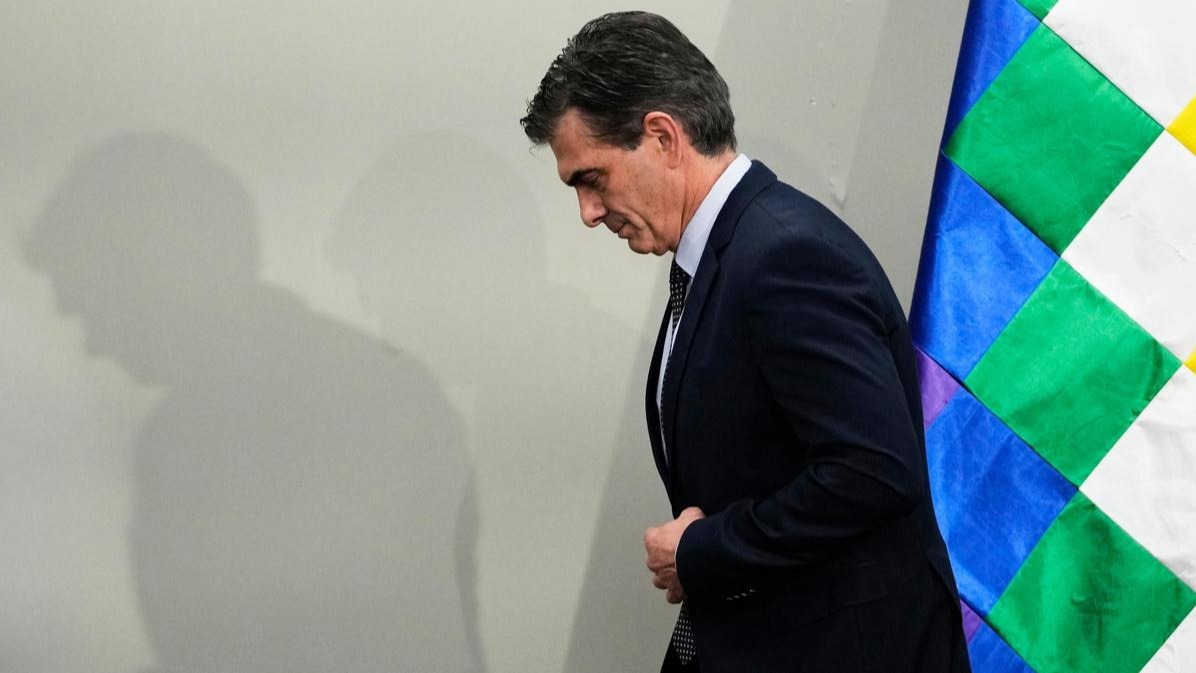
In a significant diplomatic development, Bolivia and Israel have announced plans to restore diplomatic relations, months after tensions escalated due to conflicts in Gaza. The move marks a strategic attempt to normalize bilateral ties and re-engage in political, economic, and cultural exchanges.
Background
Relations between Bolivia and Israel have been historically fluctuating. Bolivia, under previous governments, had severed ties with Israel citing human rights concerns over the Gaza conflict. The decision reflected Bolivia’s longstanding support for the Palestinian cause and criticism of Israeli military actions in Gaza.
However, recent shifts in Bolivia’s foreign policy strategy have paved the way for reconciliation. The governments of both countries have reportedly held preliminary discussions focusing on mutual interests, trade, and regional stability. The restoration of relations also comes in the backdrop of increased international attention on the Gaza war and global calls for diplomatic dialogue.
Official Statements
Bolivia’s Foreign Ministry confirmed the decision, stating that the reestablishment of diplomatic relations reflects a commitment to constructive engagement and regional peace. Israel’s Ministry of Foreign Affairs welcomed the move, emphasizing the importance of strengthening ties with Latin American countries.
A senior Bolivian diplomat noted:
“While we remain committed to human rights and a fair resolution for Palestinians, Bolivia believes in dialogue and cooperation with all nations. Restoring relations with Israel allows us to foster diplomatic, cultural, and economic exchanges for mutual benefit.”
Israeli officials echoed the sentiment, highlighting that diplomatic normalization will open avenues for trade, technology partnerships, and cultural collaboration in addition to fostering a stable political relationship in Latin America.
Implications
The restoration of ties between Bolivia and Israel is likely to have several regional and international implications:
. Diplomatic Engagement: It may serve as a model for other Latin American nations that have distanced themselves from Israel, encouraging renewed dialogue.
. Economic Cooperation: Both countries have expressed interest in expanding trade, particularly in sectors like agriculture, technology, and renewable energy.
. Regional Stability: By reestablishing ties, Bolivia signals a willingness to engage with Israel while maintaining support for Palestinian rights, potentially balancing competing regional interests.
. Economic Cooperation: Both countries have expressed interest in expanding trade, particularly in sectors like agriculture, technology, and renewable energy.
. Regional Stability: By reestablishing ties, Bolivia signals a willingness to engage with Israel while maintaining support for Palestinian rights, potentially balancing competing regional interests.
International Reactions
Global observers have noted that this move comes at a critical time when international diplomatic efforts are focused on addressing the humanitarian and security situation in Gaza. Analysts suggest that resuming diplomatic relations may enhance Bolivia’s influence in multilateral forums and enable Israel to strengthen its ties in Latin America.
Looking Ahead
The decision to restore diplomatic ties is expected to include the exchange of ambassadors, reopening of embassies, and resumption of official state visits. Both governments have expressed a shared commitment to dialogue and peaceful engagement, signaling a potential shift toward a more cooperative international stance despite ongoing tensions in Gaza.
As Bolivia and Israel prepare to rebuild formal diplomatic channels, experts say the development could contribute to long-term stability in Latin America’s foreign policy landscape, while offering both nations opportunities for economic and cultural collaboration.