

BJP Income Jumps 50% to Rs 6,088 Crore After Electoral Bonds Era Ends
Written byTimes India
Share
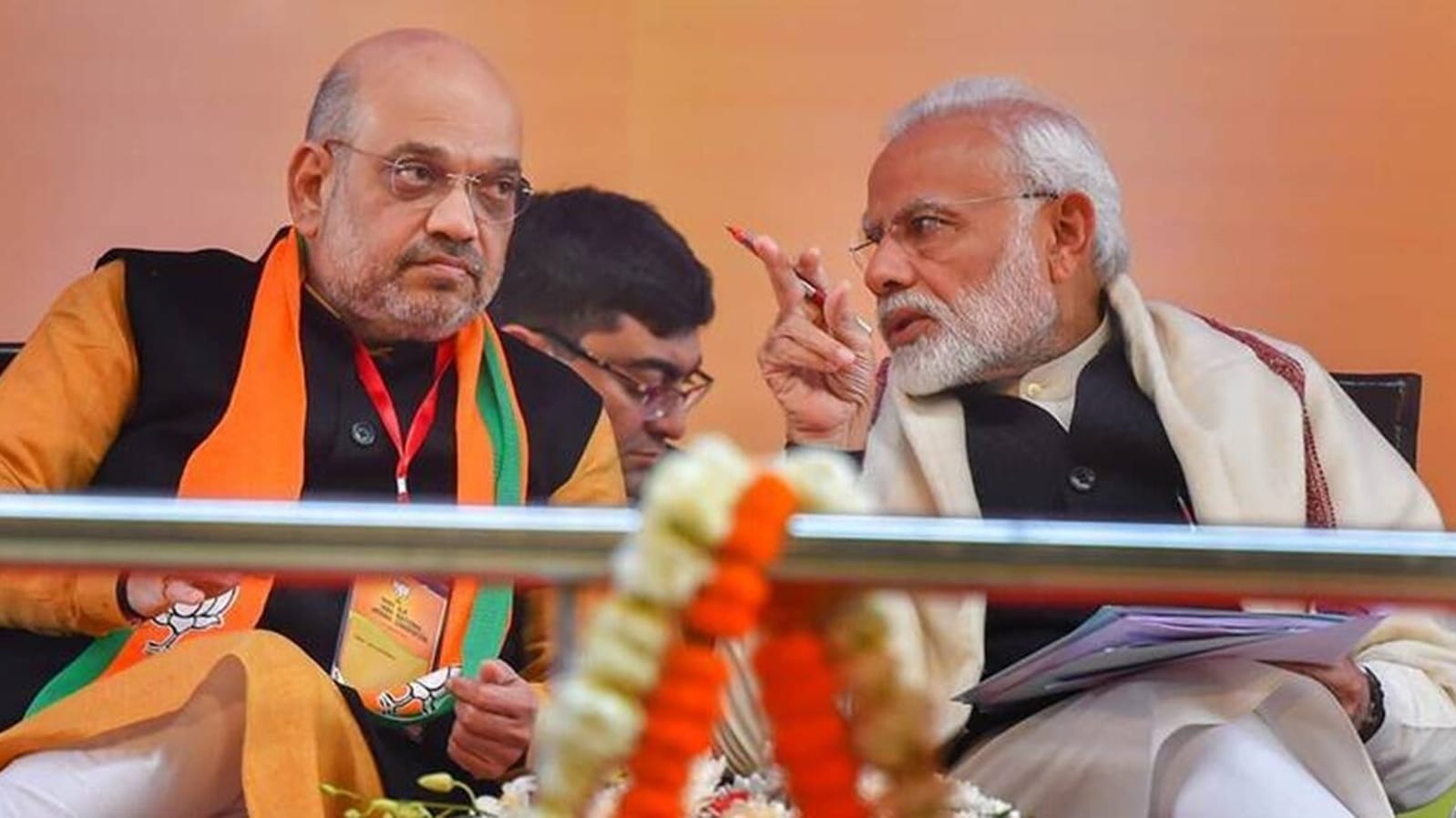
The Bharatiya Janata Party (BJP) has reported a sharp surge in its income, with total earnings rising by over 50% to Rs 6,088 crore, just a year after the Supreme Court scrapped the electoral bonds scheme. The data, released through the party’s latest financial disclosures, has reignited debate around political funding transparency, donor influence, and campaign finance reforms in India.
A Dramatic Rise in Party Income
According to the BJP’s annual contribution report, the party recorded a significant jump from the previous year’s figures, marking one of the highest annual incomes ever declared by a political party in India. This increase comes despite widespread assumptions that the end of electoral bonds long criticised for enabling anonymous political donations would slow fundraising for major parties.
Instead, the BJP appears to have successfully transitioned to alternative funding channels, including individual contributions, corporate donations disclosed under existing rules, and electoral trusts. Party officials have attributed the surge to greater grassroots support and increased public trust.
Life After Electoral Bonds
The electoral bonds scheme, introduced in 2018 and scrapped in early 2024 following a Supreme Court verdict, allowed donors to contribute anonymously to political parties. While the government had defended the scheme as a cleaner alternative to cash donations, critics argued it compromised transparency and disproportionately favoured ruling parties.
With the scheme no longer in place, political parties were expected to rely on fully disclosed donations. The BJP’s ability to grow its income in this new framework has raised questions about whether funding advantages still exist for parties in power.
Comparison With Other Parties
While the BJP’s income surged, opposition parties reported more modest growth or stagnation in their finances. Analysts suggest the BJP’s expansive organisational network, digital fundraising campaigns, and visibility during elections may have helped it mobilise resources more effectively than rivals.
Political observers note that the funding gap between the BJP and other national parties continues to widen, potentially impacting the competitiveness of India’s electoral landscape.
Transparency and Accountability Debate
The spike in BJP’s funds has renewed calls from civil society groups and opposition leaders for stricter campaign finance rules, real-time disclosure of large donations, and tighter scrutiny of corporate political contributions. Critics argue that even without electoral bonds, opaque funding routes may still persist through trusts or shell entities.
On the other hand, BJP leaders maintain that all contributions comply with existing legal and disclosure requirements, and that the rise reflects public endorsement of the party’s policies and governance.
What Lies Ahead
With several key state elections and the next general election cycle on the horizon, political funding is set to remain a contentious issue. Experts believe that the post-electoral bonds era will test whether India can strike a balance between transparent political financing and fair electoral competition.
The BJP’s reported income of Rs 6,088 crore over 50% higher than the previous year underscores its financial dominance in India’s political landscape, even after the scrapping of electoral bonds. While the numbers highlight the party’s fundraising strength, they also intensify debates around money, power, and transparency in Indian democracy, making political finance reform an issue unlikely to fade anytime soon.