

Amit Shah Mocks Digvijaya Singh With Naukri Pakki Remark Amid Heated Vande Mataram Debate
Written byTimes India
Share
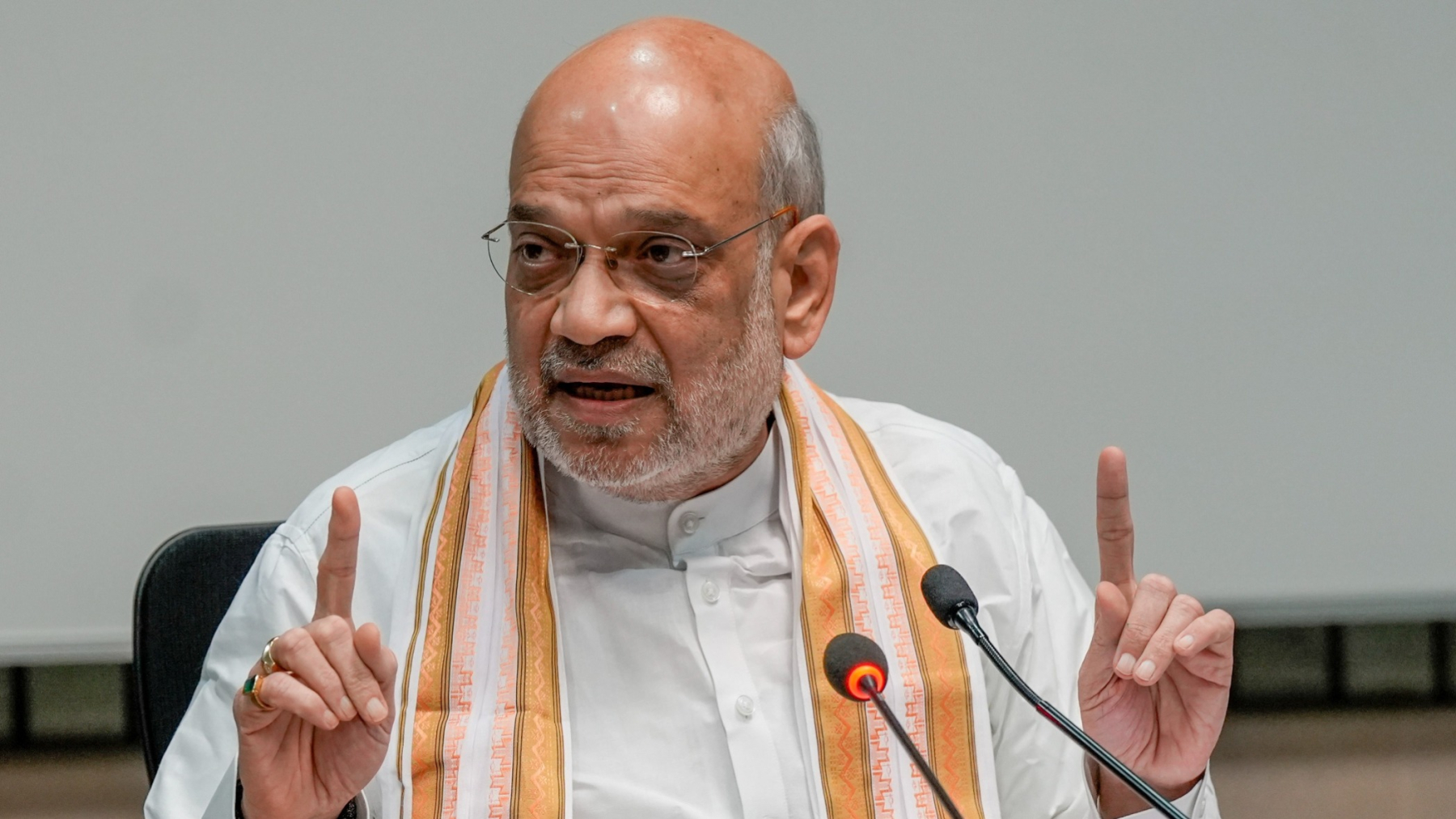
A lively debate in the Rajya Sabha on Tuesday took an unexpected turn when Union Home Minister Amit Shah delivered a pointed and sarcastic remark directed at Congress leader Digvijaya Singh. The discussion, centred around the national song Vande Mataram and its place in public life, saw tempers flare and political jibes exchanged, ultimately making Shah’s comment the headline moment of the day.
The exchange occurred during a debate over whether Vande Mataram should be accorded equal status with the national anthem and whether its recitation should be mandatory in certain public institutions. Digvijaya Singh, speaking for the Congress party, questioned the necessity of politicising the national song and cautioned against using patriotism as a tool to corner political opponents.
Responding to Singh’s concerns, Amit Shah accused the Congress of repeatedly diluting national symbols for political convenience. He argued that Vande Mataram was not merely a slogan but a foundational element of India’s freedom struggle. In the midst of his reply, Shah delivered a line that instantly drew laughter from treasury benches: “Naukri pakki hai, ab nahi jayegi…”, implying that Singh’s political relevance often questioned by rivals was not under threat despite his continued criticism of government initiatives.
The sarcastic quip was followed by applause and a few murmured protests from the Opposition, who accused Shah of lowering the dignity of parliamentary debate. Singh himself smiled in response but later remarked that personal digs do little to advance meaningful discussion on national issues.
Broader Political Context
The Vande Mataram debate has long been a flashpoint between the BJP and the Congress, with the BJP insisting on its prominence in national events and Congress arguing against “forced patriotism.” Tuesday’s debate revived old ideological divides, with both sides deploying emotional and political arguments.
Shah, in his speech, emphasised that reciting Vande Mataram is not about political allegiance but about honouring national heritage. He stated that those objecting to it were “misrepresenting secularism” and ignoring the song’s historical role in uniting Indians during the independence movement.
Conversely, Digvijaya Singh argued that patriotism cannot be measured by symbolic gestures alone. He stressed that citizens express love for their country in different ways and that turning cultural symbols into political tests is both divisive and unnecessary. He urged the government to instead focus on issues such as unemployment, price rise, and social harmony.
Reactions Across the Political Spectrum
Moments after the exchange, political reactions poured in from both sides of the aisle. BJP MPs celebrated Shah’s remark as a sharp rebuttal to what they called the Congress’s “habit of questioning national identity markers.” Meanwhile, Congress leaders criticised the Home Minister for using sarcasm to sidestep substantive questions, calling it symptomatic of the current government’s approach to debate.
Social media too lit up, with supporters and critics trading barbs. While many enjoyed the lighter moment in what was otherwise a tense debate, others argued that personal jibes detract from the seriousness of parliamentary proceedings.
Conclusion
The clash between Amit Shah and Digvijaya Singh underscores the broader ideological divide surrounding national symbols and their political usage. While Shah’s “naukri pakki” jab added a moment of levity and controversy to the session, the underlying debate reflects deeper tensions about patriotism, identity, and political expression in India’s democracy.